ISC 2026 Keynote Lectures
International Symposium on Chromatography (ISC): ISC 2026 Keynote lectures
ISC 2026
The International Symposium on Chromatography (ISC) represents the oldest conference series on separation science. ISC symposia have been organised since 1956 in each even year. ISC is one of the premier meetings series for discussion of all modes of chromatography and separation science with a broad coverage of techniques and applications.
The major focus of the symposium will be on the impact of chromatography and separation science to meet the needs of the pharmaceutical, environmental, food and health industry, as well as science and medicine. The symposium programme will reflect these themes and highlight new challenges and emerging opportunities for the science and marketing of separation and detection systems and methods.
As an integral part of the scientific programme of lectures and poster sessions, an international exhibition and vendor seminars on instrumentation and services for chromatography, separation science and mass spectrometry will be organised. ISC 2026 will provide the perfect forum for attendees from academia, industry and government research institutions for scientific exchange and networking.
35th International Symposium on Chromatography
📆6. - 10. September 2026
📍Prague, Czech Republic
REGISTRATION
ABSTRACT SUBMISSION
SCIENTIFIC PROGRAM
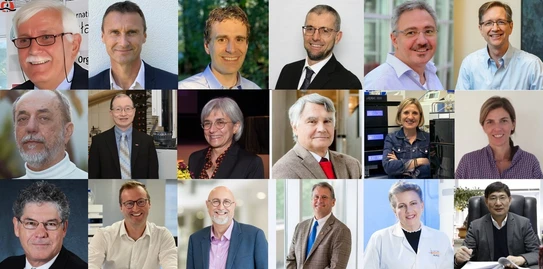
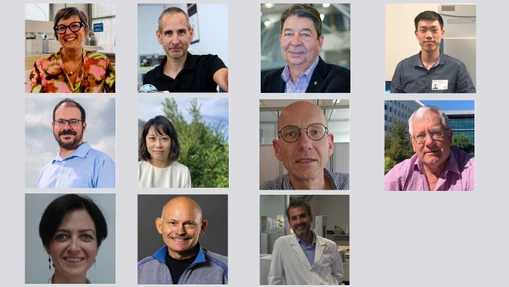
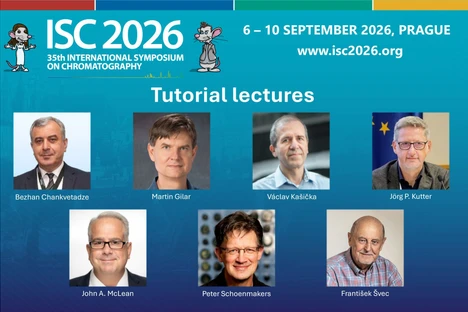
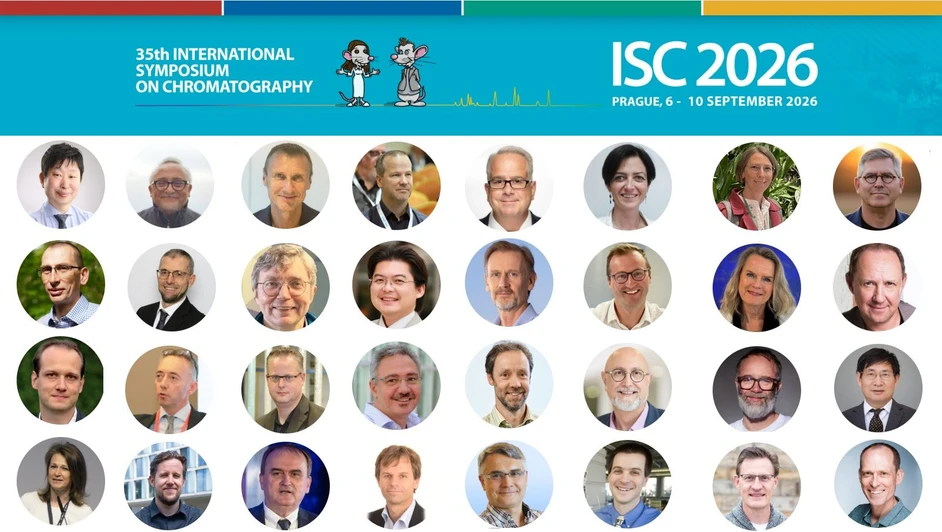
Invited Speakers - Keynote Lectures
Takeshi Bamba
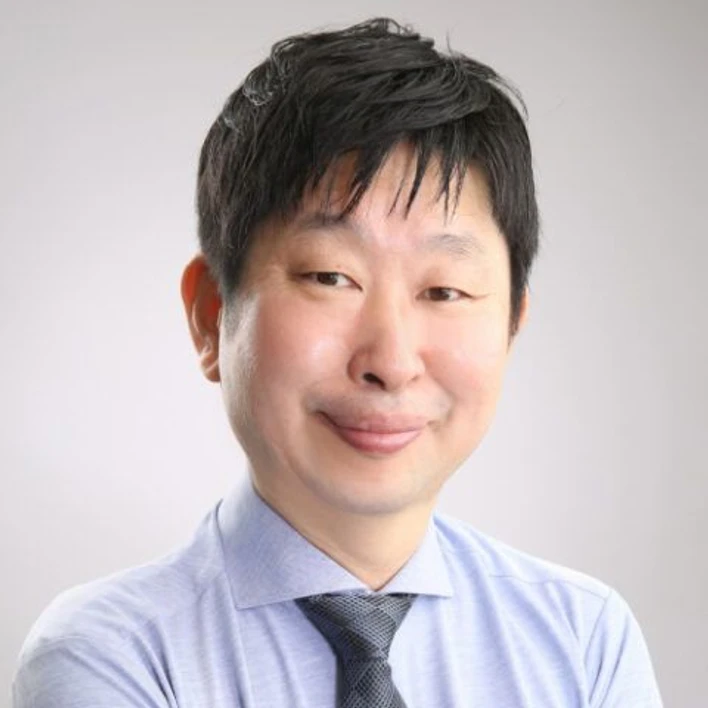 ISC 2026: Takeshi Bamba
Takeshi Bamba is a Distinguished Professor in the Division of Metabolomics, Medical Research Center for High Depth Omics, Kyushu University, Japan. He received his Ph.D. in engineering from Osaka University and has pioneered innovative analytical platforms integrating chromatography and mass spectrometry for next-generation metabolomics. Prof. Bamba has authored over 250 publications, contributing significantly to the advancement of metabolomics and lipidomics through technological innovation and broad applications.
Detlev Belder
Detlev Belder is a full professor of analytical chemistry at the University of Leipzig. His research focuses on lab-on-a-chip technology as an enabling science in chemistry. A broad field of research and application of lab-on-a-chip technology is being addressed in the Belder laboratories at the University of Leipzig. The Belder group is well known for miniaturised separation techniques such as chip electrophoresis and chip HPLC and for novel concepts in digital microfluidics. The Belder laboratory is also working on detection methods such as coupling microfluidic chips with mass spectrometry or ion mobility spectrometry, as well as optical methods such as fluorescence and Raman microscopy. In recent years, a particular focus has been on integrated chip laboratories that combine chemical reactors and analysis units.
Professor Belder has been honoured with several awards, including the Gerhard Hesse Prize (2015) and the Fresenius Prize (2019).
Ken Broeckhoven
Ken Broeckhoven has a Master’s degree and PhD in chemical engineering from the Vrije Universiteit Brussel (Belgium), where he currently is Professor in chemical engineering and bio-engineering sciences. He is also the head of the Department of Chemical Engineering at the VUB. His research mainly focuses on the fundamental aspects of chromatographic separation methods (diffusion, mass transfer, eddy-dispersion, extra-column band broadening, kinetic performance), in both liquid and supercritical fluid chromatography. In 2019, he received the LCGC Emerging Leader in Chromatography Award. He is also part of the organizing committee of the HTC-conference series, that focusses on hyphenated techniques in chromatography.
Deirdre Cabooter
Deirdre Cabooter is a Full Professor at the Department of Pharmaceutical and Pharmacological Sciences at the University of Leuven (KU Leuven) in Belgium. Her current research is directed towards a deeper understanding of mass transfer phenomena in liquid chromatography, the analysis of complex samples in pharmaceutical, environmental and food applications using 1D-LC and 2D-LC, and solutions for automated method development based on artificial intelligence. She received the LCGC Emerging Leader in Chromatography Award in 2017, the Jubilee medal of the Chromatographic Society in 2020, the JFK Huber Lecture Award of the Austrian Society of Analytical Chemistry in 2023, and is an editor of Journal of Chromatography A since 2018.
Alejandro Cifuentes
Alejandro Cifuentes is a Full Research Professor at the National Research Council of Spain (CSIC) in Madrid, Head of the Laboratory of Foodomics and Director of the Metabolomics Platform (International Excellence Campus CSIC + UAM). He has been Founding Director of the Institute of Food Science Research from CSIC. Alejandro’s activity includes advanced analytical methods development for Foodomics, food quality and safety, as well as isolation and characterization of natural bioactive compounds and their effect on human health. He is member of the Editorial Board of 21 international journals, Specialty Chief Editor of Frontiers in Nutrition, Editor of TrAC-Trends in Analytical Chemistry and Editor-in-Chief of Exploration of Foods and Foodomics. He has defined for the first time in a SCI journal the new discipline of Foodomics. He has been continuously included in the Top 2% World Scientists by the Stanford University Ranking.
Gert Desmet
Gert Desmet has a PhD in chemical engineering from the Vrije Universiteit Brussel (VUB), Brussels, Belgium, where he currently is a full professor. His research focuses on the miniaturization and automation of separation methods, as well as on the investigation and the modeling of flow effects in chromatographic systems. He has been the author or co-author of more than 450 peer-reviewed papers. He currently is the Deputy-director of the Solvay Institute for Chemistry, is an Associate Editor for Analytical Chemistry” and was the recipient of an ERC Advanced Grant. He is also a member of the permanent scientific committees of the international HPLC and ISC conference series.
Tony Edge
Dr. Tony Edge has been working in the field of chromatography for more than 30 years. During that time he has worked at different organisations including AstraZeneca where he developed methods for bioanalytical workflows and also in the manufacturing arena working for ThermoScientfic, Agilent and Avantor where he headed R&D teams developing next generation separation and extraction media. He was awarded the Desty Memorial Lecture in 2004 for his contributions to innovating separation science, and in the same year also won a clinical excellence award. Edge’s current interests are centered on improving the extraction process and high-temperature chromatography.
Sebastiaan Eeltink
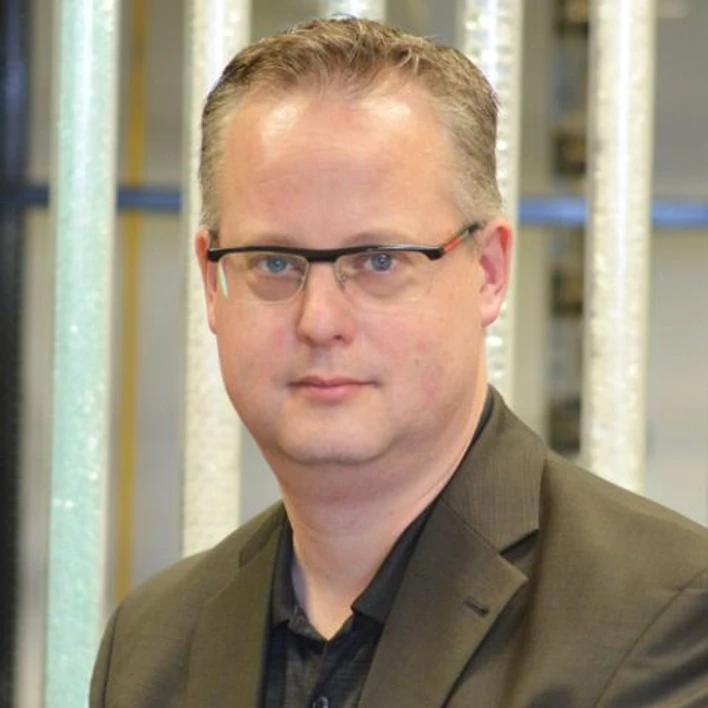 ISC 2026: Sebastiaan Eeltink
Sebastiaan Eeltink received his PhD degree in Chemistry in 2005 from the University of Amsterdam, for his dissertation “Packed and monolithic capillary columns for LC”. From 2005-2007 he conducted two years of post-doctoral research at the University of California, Berkeley, USA and he was a guest scientist at The Molecular Foundry in the Lawrence Berkeley National Laboratory. In 2007 he joined Dionex (currently Thermo Fisher Scientific), a manufacturer of high-tech analytical instruments and served as an advisor till 2021. In 2009, Sebastiaan received the p Odysseus award to establish his research group (eeltinklab.com) within the Vrije Universiteit Brussel. Eeltink is full professor, involved in the BSc and MSc teaching programs of the VUB and the Université Libre de Bruxelles (ULB), and is vice-chair of the Doctoral Committee of the Engineering Faculty.
Attila Felinger
Attila Felinger is a Professor of Chemistry at the University of Pécs (Hungary). He is the head of the Analytical and Environmental Chemistry Department at the Faculty of Sciences, and he is at the helm of the Institute of Bioanalysis at the Medical School (both at the University of Pécs). In addition, he serves as President of the Hungarian Society for Separation Sciences. His research interests focus on the fundamentals of chromatography including nonlinear and analytical separations, as well as the chemometric analysis of measurements.
Fabrice G. Gritti
Fabrice G. Gritti earned his Ph.D. in Chemistry and Physics of Condensed Matter from the University of Bordeaux I in 2001. He worked with Prof. Georges Guiochon at the University of Tennessee until 2014 and joined Waters Corporation in 2015 as a consultant scientist. His research focuses on adsorption thermodynamics and mass transfer in chromatographic media. He has published over 300 peer-reviewed articles, delivered 95+ keynote lectures, and received multiple prestigious awards, including the A.J.P. Martin Medal (2024) and the Csaba Horvath Memorial Award (2023).
Davy Guillarme
Davy Guillarme currently serves as an associate professor at the University of Geneva in Switzerland. With over 350 published journal his expertise spans various techniques, including UHPLC, HILIC, LC−MS, SFC, SFC-MS, multidimensional LC, and application to the characterization of biopharmaceuticals.
He is an editor of the Journal of Chromatography A and serves on the editorial advisory board of various other journals.
Davy Guillarme has been honored with the LC-GC Emerging Leader Award in Chromatography (2013), the Jubilee Medal from the Chromatographic Society (2018), the International Award of the Belgian Society of Pharmaceutical Sciences (2022) and the Csaba Horvath memorial award (2025).
Kenji Hamase
He graduated from The University of Tokyo and obtained his Ph.D. degree in 1996. Subsequently, he moved to Kyushu University, and was promoted to the full Professor in 2016 (Vice Dean for international affairs from 2018). He is the president of The Society for Chromatographic Sciences (Japan), Editor of the Journal of Pharmaceutical and Biomedical Analysis and Permanent International Committee members of HPLC and PBA conferences. His current research interests focus on the development of multi-dimensional HPLC methods for chiral amino acids and related compounds to study on their physiological functions, diagnostic values and the design of functional foods.
Christian Huber
Christian Huber trained as an analytical chemist at the University of Innsbruck focusing on chromatographic separation methods for biopolymers. After a PostDoc in Csaba Horváth’s group at Yale University in 1996, he obtained lecturing qualification in analytical chemistry at the University of Innsbruck in 1997. As an associated professor of analytical chemistry at the University of Innsbruck from 1997 to 2002, he developed monolithic, capillary-scale stationary phases for hyphenating high efficiency nucleic acid-, peptide-, and protein separations to mass spectrometry. From 2002-2008 he held a position as professor for analytical chemistry at Saarland University, where he started working in the field of multidimensional chromatography as well as proteome/metabolome analysis and mass spectrometry data mining. Since 2008, he is a professor of chemistry for biosciences at the University of Salzburg. His current research interests include proteome and metabolome analysis of biological models of disease as well as in-depth (therapeutic) (glyco-) protein characterization by means of HPLC and MS.
Michael Lämmerhofer
Michael Lämmerhofer is Full Professor for Pharmaceutical (Bio-)Analysis at the University of Tübingen, Germany (since 2011). He graduated in Pharmaceutical Sciences in 1992 and earned his PhD in Pharmaceutical Chemistry in 1996 at the University of Graz, Austria (supervisor Prof. Wolfgang Lindner). Between 1997 and 2002 he was assistant professor and from 2002 to 2011 associate professor at the University of Vienna, Institute of Analytical Chemistry. Between 1999-2000 he spent a year as post-doctoral researcher at the Department of Chemistry of the University of California, Berkeley (Prof. Frantisek Svec/Prof. Jean M. Fréchet). Since 2007, he has been associate editor of Journal of Separation Science and since 2024 he is editor-in-chief.
His research interests include bioanalysis (metabolomics and lipidomics), pharmaceutical analysis (impurity profiling, enantioselective analytics), multidimensional separations and biopharmaceuticals analysis (peptides, oligonucleotides, proteins, plasmids), and the development of functionalized separation materials (chiral stationary phases, mixed-mode phases, chemo- & bioaffinity materials, nanoparticles, monoliths).
Frédéric Lynen
Frédéric Lynen is full professor and head of the Separation Science Group at Ghent University. He obtained his PhD in Chemistry there in 2002, followed by postdoctoral work at the University of Stellenbosch and the Pfizer Analytical Research Centre. His research focuses on developing multidimensional separation tools, green stationary phases for aqueous chromatography, detection technology and retention models supporting structural elucidation via high-resolution mass spectrometry. Active in both targeted and non-targeted analyses of complex natural and synthetic samples, he has published over 170 papers and received the Chromatographic Society’s Jubilee Medal in 2019 for his contributions to separation science.
John A. McLean
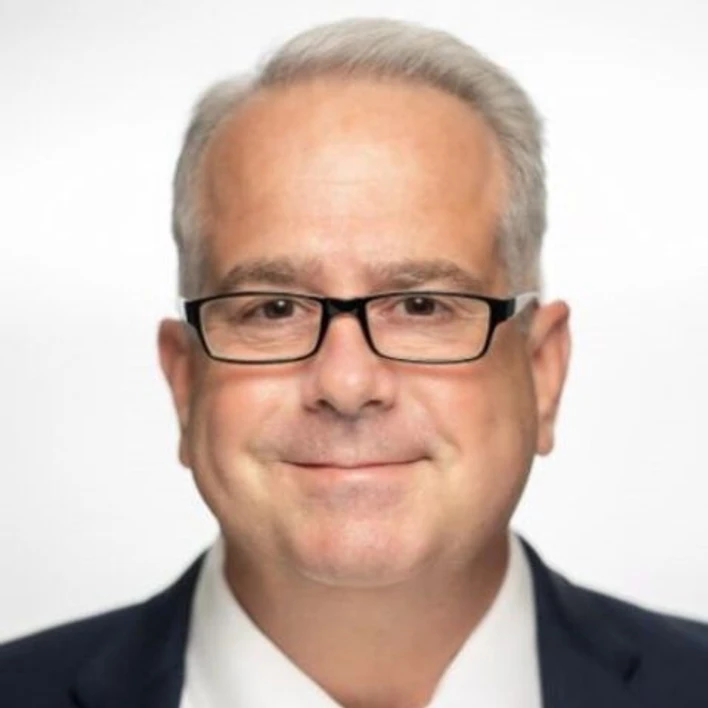 ISC 2026: John A. McLean
John A. McLean is Dean of Research Graduate Education, Stevenson Professor of Chemistry, and Director of the Center for Innovative Technologies at Vanderbilt University. McLean and colleagues have focused on the conceptualization, design, and construction of ion mobility and structural mass spectrometers, specifically targeting complex samples in systems, synthetic, and chemical biology. His group applies these strategies to forefront translational research areas in drug discovery, personalized medicine, and ‘human-on-chip’ synthetic biology platforms. He is an elected Fellow of NAI, AAAS, RCS, and ASMS and has published over 200 manuscripts and received over 30 patents in these and allied areas.
Peter Meikle
Professor Peter Meikle is a Senior Principal Research Fellow, Co-Lead of the Obesity and Metabolic Diseases Program and Head of the Metabolomics Laboratory at the Baker Heart and Diabetes Institute. His research has a focus on the dysregulation of lipid metabolism associated with metabolic diseases including obesity, diabetes, cardiovascular and Alzheimer’s disease, and its relationship to the pathogenesis of these disease states. This work is leading to new approaches to early diagnosis and risk assessment, and to the development of new lipid modulating therapies for chronic disease.
Christian Neusüß
Christian Neusüß is Professor for Analytical Chemistry at Aalen University. He received his diploma from University of Heidelberg and his PhD from University of Leipzig. His research interests include coupling and application of (electromigrative) separation techniques with mass spectrometry. He is focusing on technical developments such as nanoESI interfaces and miniaturized two-dimensional separations in combination with high resolution mass spectrometry as well as method development and applications for the analysis of proteins, metabolites and contaminants. He is co-author of more than 140 peer-reviewed publications (h-Index=49, GoogleScholar).
Janusz Pawliszyn
Janusz Pawliszyn, a professor at the University of Waterloo, is a Fellow of the Royal Society of Canada. He is one of the top analytical scientists in the world, as the inventor of solid-phase microextraction and imaged capillary isoelectric focusing. Both techniques have been successfully commercialized and adopted in various research and industry fields. He is the chief editor of Trends in Analytical Chemistry and Green Analytical Chemistry. He is one of the highest cited analytical chemists in the world with an H-index of 136, over 750 papers, and more than 83000 citations.
Bob Pirok
Bob Pirok is an associate professor of analytical chemistry at the University of Amsterdam. After earning his cum laude PhD in 2019, he has focused on chemometrics-driven method development, lab automation and data analysis for one and multidimensional chromatography, levering machine learning, retention modeling and reaction/modulation strategies. He is a visiting professor in Dwight Stoll’s group at Gustavus Adolphus College and was awarded the HTC Innovation Award for his work on AutoLC and AI-assisted method design and earlier won the Csaba Horváth Young Scientist Award. He leads NWO-funded consortia (STREAMLINED, PARADISE, UPSTAIRS, KIC) and co-authored the textbook Analytical Separation Science.
Giorgia Purcaro
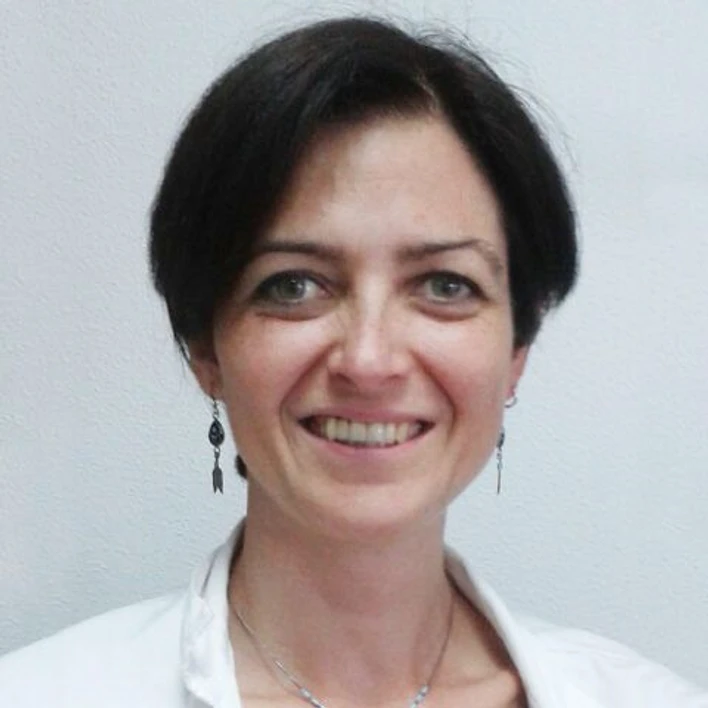 ISC 2026: Giorgia Purcaro
Giorgia Purcaro is a full professor at the Gembloux Agro-Bio Tech Department, University of Liège, Belgium. Her research focuses on developing miniaturized and multidimensional analytical solutions to address food safety and quality issues. She is the author of over 150 publications and more than 250 conference presentations. She has been the recipient of several awards, including the Leslie Ettre Award for the most outstanding contribution in capillary chromatography and the J. Philips Award for her contributions to the field of GC×GC. She has been included in the Top 2% list of the World’s Scientists from Stanford University for several years.
Koen Sandra
Koen Sandra received a PhD degree in Biochemistry from the Ghent University, Belgium in 2005. After his PhD, he joined Pronota, a molecular diagnostics company where he was active in developing analytical platforms for disease biomarker discovery and in setting up external collaborations. In 2008, he joined RIC, a company that provides analytical support to the chemical, life sciences and pharmaceutical industries, where he holds the position of CEO. As a non-academic scientist, Koen Sandra is author of over 50 highly cited scientific papers and has presented his work at numerous conferences as an invited speaker.
Oliver J. Schmitz
Since 2012 Oliver J. Schmitz has been a full professor at the University of Duisburg-Essen and is the chair of the Institute of Applied Analytical Chemistry.
In 2018 Oliver has founded, together with Agilent, the Teaching and Research Center for Separation (TRC) at the University of Duisburg-Essen.
Prof. Schmitz´s main research area is separation science, with a particular focus on non-target analysis of complex samples, the development of ion sources, the use and optimization of multidimensional LC and GC, ion mobility-mass spectrometry and metabolomics. He was awarded the Gerhard-Hesse Prize for chromatography in 2013 and the Andrzej Waksmundzki medal award in 2019.
Dwight R. Stoll
Dwight Stoll is Professor and Co-Chair of Chemistry at Gustavus Adolphus College in St. Peter, MN. He has authored or co-authored more than 100 peer-reviewed publications and five book chapters in separation science, speaks internationally on the topic, and is co-editor of the recent book: Multi-Dimensional Liquid Chromatography: Principles, practice, and applications. He has also written the monthly “LC Troubleshooting” column for LCGC Magazine since 2017, and co-hosts the Analytically Speaking podcast with Prof. Jim Grinias. His primary research focus is on the development of two-dimensional liquid chromatography (2D-LC) for both targeted and untargeted analyses. Within this area he has made contributions on many aspects of the technique including stationary phase characterization, biopharmaceutical analysis, new 2D-LC methodologies and instrumentation, and fundamental aspects including re-equilibration in gradient elution liquid chromatography and analyte focusing. He has taught several short courses on 2D-LC in recent years at venues including Pittcon and the international HPLC20XX series, and hosts multi-day hands-on trainings for multi-dimensional chromatography in his laboratory at Gustavus.
Mario Thevis
Professor Thevis graduated in organic chemistry and sports sciences in 1998. He earned his PhD in Biochemistry in 2001 and did post-doctoral research at the Department of Chemistry and Biochemistry of the University of California Los Angeles in 2002. After senior research studies between 2003 and 2005 he was appointed as Professor for Preventive Doping Research at the German Sport University Cologne in 2006. Mario Thevis further qualified as Forensic Chemist (in 2009) and has been the director of the WADA-accredited anti-doping laboratory Cologne as well as the Institute of Biochemistry in Cologne, Germany, since 2017.
Caroline West
Caroline West is a full professor at the University of Orleans, France. She is a specialist of SFC, with or without hyphenation to extraction methods and/or MS, to analyze samples of pharmaceutical interest and natural products. She has authored about 140 papers and book chapters, and has presented about 130 lectures in conferences and seminars. In 2015, she received the “LC‐GC Emerging Leader in Chromatography” award. She was ranked several times among the most influential people in analytical chemistry by “The Analytical Scientist” magazine (2014, 2018, 2019, 2020 & 2021), received the Jubilee medal from the Chromatographic Society (2021) and the JFK Huber Award Lecture from the Austrian Society for Analytical Sciences (2025).
Susanne Wiedmer
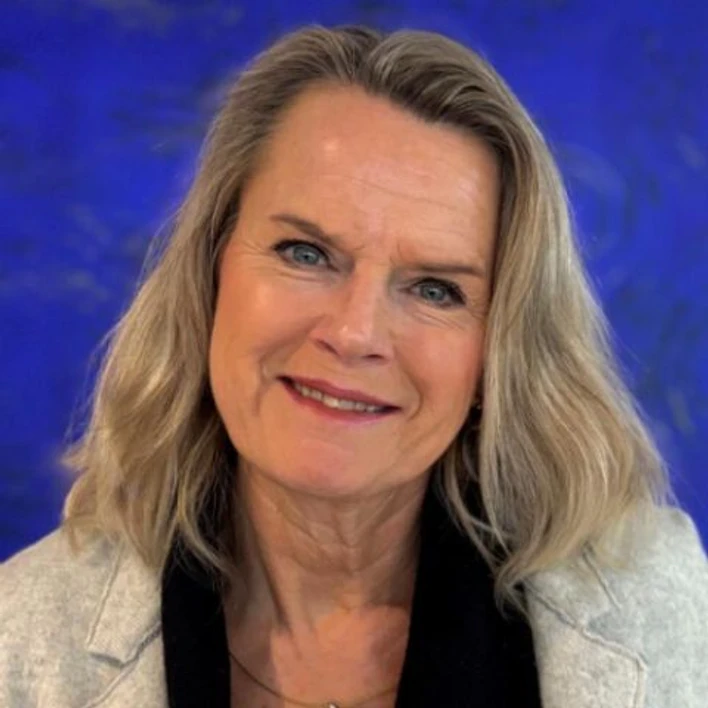 ISC 2026: Susanne Wiedmer
Susanne Wiedmer has a PhD in analytical chemistry and is full professor of analytical chemistry at the Department of Chemistry at the University of Helsinki. Her group has expertise in sample preparation methodologies, chromatography, capillary electromigration techniques, mass spectrometry, field flow fractionation, and in biosensing methods. The main research focus is on liposomes and liposome-analyte interactions, on interactions between biomembrane-mimicking surfaces and analytes, as well as on characterizing lipid vesicles and particles. Susanne Wiedmer has published over 175 papers in international peer-reviewed journals, and she has been involved in 10 book projects either as an editor or as an author.
Steven Ray Wilson
Steven Ray Wilson is a Professor at the Department of Chemistry, University of Oslo. Throughout his career, Wilson has developed and applied hyphenated systems (e.g. robust SPE-LC, 2D LC, LC-NMR etc.) for various omics applications and biomedical samples, including cancer stem cells and extracellular vesicles. In recent years, Wilson has tailored separation science-based systems for microphysiological systems (e.g. laboratory-grown organ models such as organoids, organ-on-a-chip systems, and gastruloids), focusing on robustness, selectivity and on-line action. A key goal is contributing to reducing animal models through the development of more patient relevant models for e.g. drug discovery.
Adam Woolley
Adam T. Woolley earned his Ph.D. degree in Chemistry from the University of California, Berkeley in 1997, and was a Runyon-Winchell Postdoctoral Fellow at Harvard University from 1998-2000. He has been on the faculty in the Department of Chemistry and Biochemistry at Brigham Young University since 2000, where he is currently University Professor and Dean of Graduate Studies. Woolley’s research is at the interface between miniaturization and biomolecules; he is developing 3D printed microfluidics for bioanalysis, devising miniaturized assays for disease-linked biomarkers, and developing biotemplated fabrication of nanoelectronic devices.
Guowang Xu
Prof. Dr. Guowang Xu received his Ph.D in Dalian Institute of Chemical Physics (DICP), Chinese Academy of Sciences (CAS) in Jun., 1991. He is also president of Chromatography Committee of Chinese Society of Chemistry, deputy director of the Environmental Exposure Science Committee of the Chinese Society for Environmental Sciences and council member of the Chinese Chemical Society.
Prof. Xu has co-written 5 books and published 580+ peer-reviewed papers in the ‘Web of Science Core Collection’ (WoS) indexed journals including PNAS, Nature Protocols, Nature Commun., Nature Methods, Cell Metab., Advance Science, Hepatology, Cancer Res., Anal. Chem., etc., and holds more than 100 China patents. H-Index: 82(WoS),103(Google).
His main research fields are in the chromatography-mass spectrometry (MS) technique development and the MS-based bulk, single cell and spatial metabolomics/exposomics applications in disease typing, biomarker discovery and new treatment strategies, traditional Chinese medicines and food safety.
John R. Yates
John R. Yates is the John Lytton Young Professor at Scripps Research. His research includes the development of integrated methods for tandem mass spectrometry analysis of protein mixtures, bioinformatics using mass spectrometry data, and biological studies involving proteomics. He is the lead inventor of the SEQUEST software for correlating tandem mass spectrometry data to sequences in the database and developer of the shotgun proteomics technique for the analysis of protein mixtures. His laboratory has developed proteomic techniques to analyze protein complexes, posttranslational modifications, organelles and quantitative analysis of protein expression for the study of biology.
Roman Zubarev
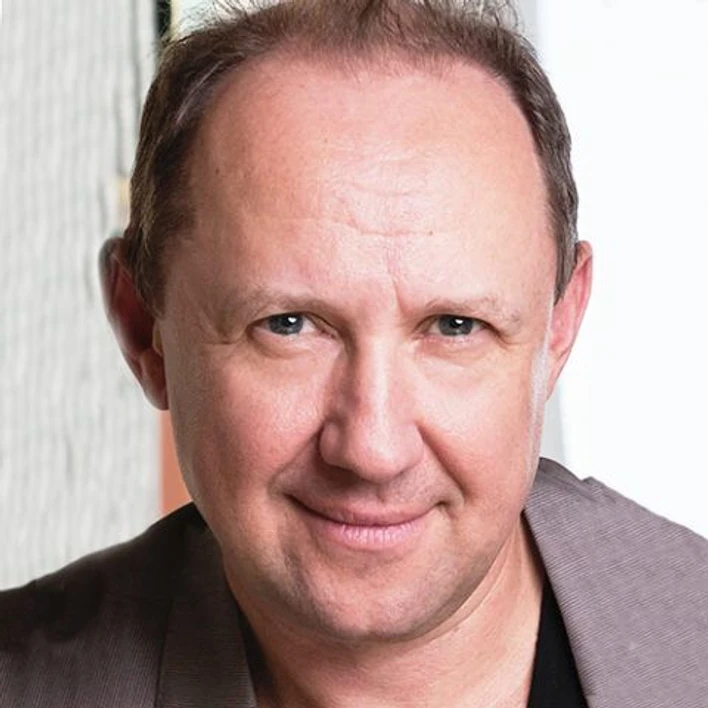 ISC 2026: Roman Zubarev
Roman Zubarev is professor of Medicinal Proteomics at the Karolinska Institutet, Stockholm (since 2009), with a Ph.D. degree from the Uppsala University, Sweden (1997). He is best known for the discovery of electron capture dissociation and the isotopic resonance phenomenon, development of instruments and methods for biological mass spectrometry, and their applications to diverse biomedical problems, including the mechanism, biomarkers and potential prevention of Alzheimer’s disease, as well as the targets and action mechanisms of drugs against cancer cells and microorganisms. His group was the first to perform chemical proteomics analysis at a single cell level.


_s.webp)