

Tracking molecules made by the human microbiome
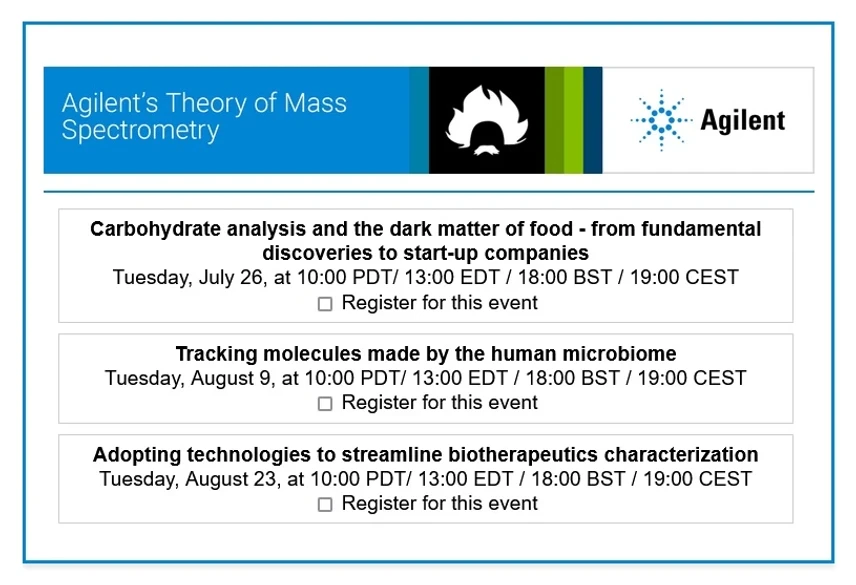
In the words of Albert Einstein, "We cannot solve our problems with the same thinking we used when we created them." It takes outside the box thinking to continue to innovate and push the limits of what is possible. Each day you are your team work tirelessly to push those boundaries and create a better world, and Agilent is here to help you every step of the way. Instrument intelligence and innovation is of utmost importance, and together we can discover endless possibilities.
An enduring theme in human microbiome research has been understanding how trillions of bacteria in the human intestinal tract impact our physiology and immune function – likely through the metabolites they produce.
The Memorial Sloan Kettering Cancer Center, has focused on research of subjects undergoing allogeneic hematopoietic cell transplant (allo-HCT), a curative treatment for hematopoietic malignancies. Previous research work from our Center has demonstrated the intestinal microbiome is the primary reservoir for pathogenic bacterial species and can translocate into the systemic circulation. Beyond infection risk, recent research evidence also implicates intestinal microbiota diversity (and the metabolites produced) in shaping the emerging immune system following allo-HCT.
Both targeted and untargeted mass spectrometry approaches have been applied to identify the metabolites produced by intestinal bacteria that reach physiologically relevant levels in the systemic circulation. Applying a combination of analytical and data analysis strategies allows correlation of intestinal microbiome diversity with the circulating levels of many bioactive metabolites and investigate their impact on immune cell function.
For Research Use Only. Not for use in diagnostic procedures.
Key learning objectives
- How mass spec can be applied to metabolomics research
- Biomarker discovery in microbiome research
Who should attend?
- Researchers interested in metabolomics and biomarker discovery
Presenter: Justin R. Cross, Ph.D. (Director, Donald B. and Catherine C. Marron Cancer Metabolism Center, Memorial Sloan Kettering Cancer Center)


