

Improving mAb Purification Efficiency With Hydrophobic Interaction Chromatography
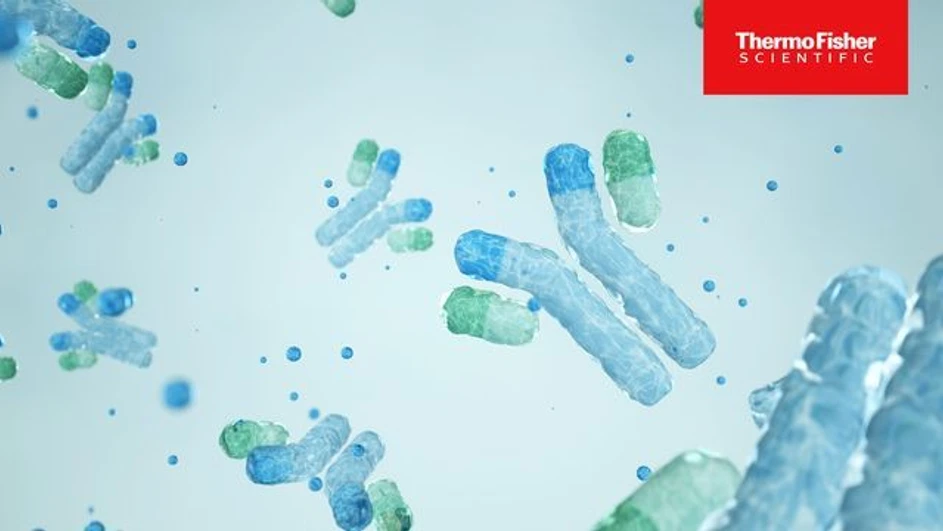
As monoclonal antibody (mAb) production titers continue to rise, downstream purification is becoming a critical bottleneck for many development and manufacturing teams. Traditional bind-and-elute cation exchange (CEX) polishing steps can limit capacity and process efficiency, creating a growing need for higher-productivity alternatives.
Join this webinar to explore how flow-through hydrophobic interaction chromatography (HIC) can help overcome these challenges by enabling improved loading capacity and streamlined purification.
Through a real-world development case study, attendees will gain practical insights into resin evaluation, process optimization, and successful scale-up strategies that support efficient technology transfer and manufacturing readiness.
Attend this webinar to:
- Understand mAb polishing capacity constraints and opportunities
- Discover frameworks that can replace CEX bind-and-elute steps with HIC flow-through
- Learn from a detailed case study of HIC resin selection and process development
- Confirm scale up conditions and support consistent performance for manufacturing
Presenter: Andrew Siemers (Systems Design Engineer at Thermo Fisher Scientific)
Andrew Siemers is a systems design engineer at Thermo Fisher Scientific, focusing on downstream bioprocessing research and development. Andrew works as a part of the Bioprocessing Collaboration Center in St. Louis, Missouri which works to develop new products and processes across the downstream train. He specializes primarily in monoclonal antibody workstreams, with focuses on resin development and implementation as well as directly supporting the on-site contract development and manufacturing organization.


