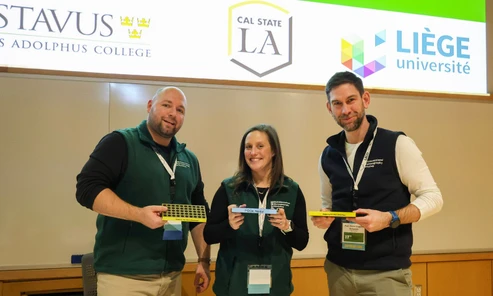
17th MDCW 2026 (Day 1)
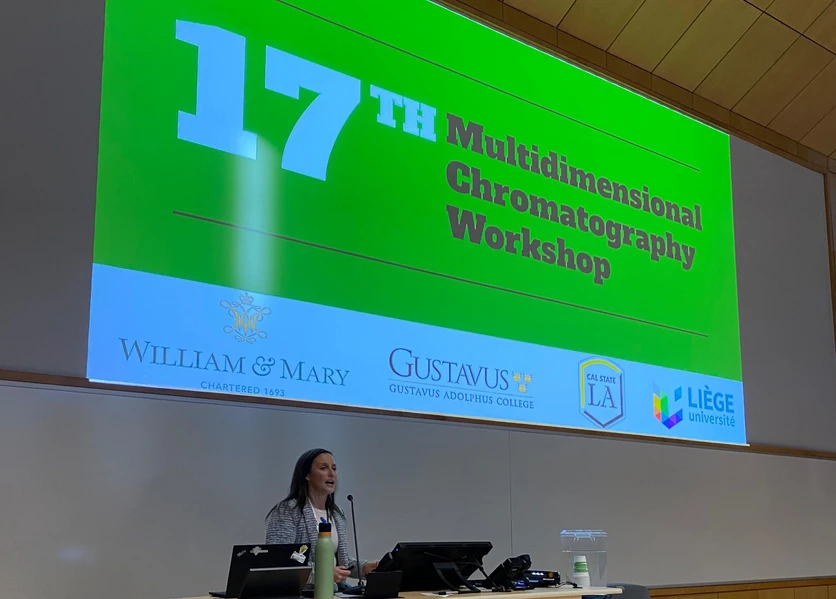
MDCW: 17th MDCW 2026 (Day 1): Opening Remarks - Katelynn Perrault Uptmor
Program
Tuesday January 13, 2026
8:30 – 8:45 AM Registration
8:45 – 9:00 AM Opening Remarks
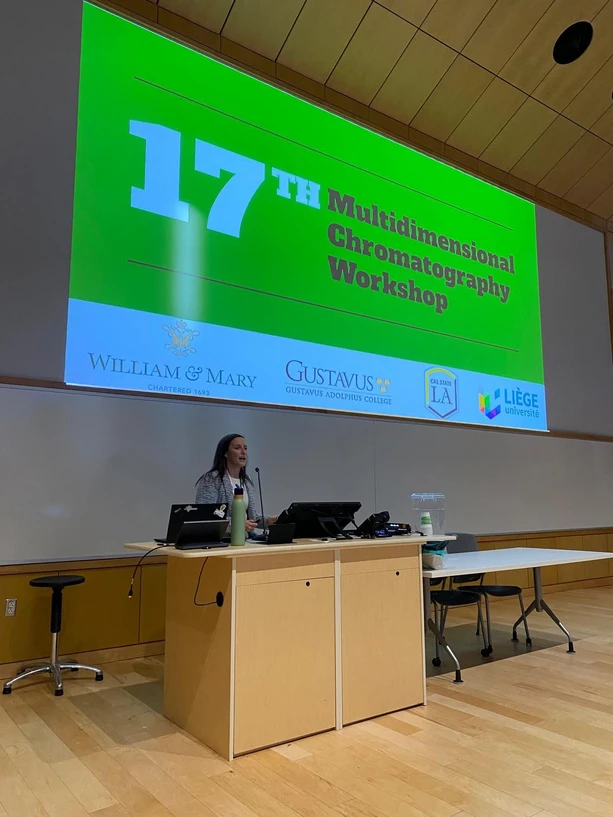 MDCW: 17th MDCW 2026 (Day 1): Opening Remarks - Katelynn Perrault Uptmor
9:00 – 9:30 AM KL-1 The GC×GC effect: transforming industries one molecule at a time
- Haleigh Boswell (Chevron)
The complexity of petroleum matrices demands analytical techniques that transcend conventional methods. Comprehensive two-dimensional gas chromatography (GC×GC) has emerged as a transformative solution, overcoming key limitations of one-dimensional gas chromatography (1DGC) and standardized ASTM methods. GC×GC dramatically enhances peak capacity and resolution, enabling separation of thousands of compounds and improving detection of low-concentration analytes. Its structured chromatograms and superior spectral quality reduce false identifications, making it indispensable for analyzing complex mixtures.
However, the richness of GC×GC data introduces interpretive challenges—extracting actionable insights from massive datasets is not trivial. Automated workflows and in-house scripting further streamline data processing, empowering cross-functional teams to translate analytical depth into operational impact.
Having seen firsthand how GC×GC bridges the gap between molecular insight and industrial application, I will share my experience as an industry GC×GC expert on how this technique has enhanced our understanding of petroleum matrices at the molecular level. Drawing from professional experience, I will offer generalized insights that reflect broader analytical trends and personal observations. All examples and interpretations are intended to illustrate the wider value of GC×GC in petroleum analysis and do not reference company-specific data or proprietary findings.
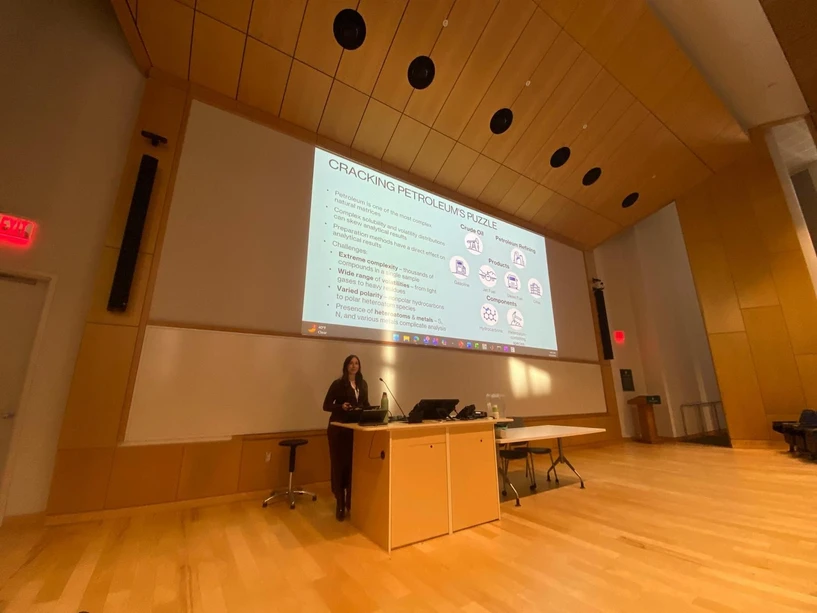 MDCW: 17th MDCW 2026 (Day 1): KL-1 The GC×GC effect: transforming industries one molecule at a time (Haleigh Boswell, Chevron)
9:30 – 10:00 AM KL-2 2D-LC as a powerful technique in the pharmaceutical scientist's toolbox for small molecules and biologics
- Zachary Breitbach (AbbVie)
Multi-dimensional chromatography can be used in a variety of pharmaceutical applications in which a single, traditional chromatographic run does not provide sufficient information about one or more analytes. To enhance this separation, diverse run conditions or orthogonal columns and/or chromatographic modes can be used in the second dimension to isolate and reanalyze individual peaks in a single run. There are several applications where 2D-LC provides solutions to pharmaceutical related chromatographic challenges such as:
- Performing achiral and chiral analysis in a single run. By performing chiral separation in the second dimension, all other impurities are essentially removed from the analysis, reducing the specificity requirements. Additional impurity information is obtained in the first dimension, reducing overall analysis time.
- Tracking unknown peak retention times when methods are modified. To support the development of a bilayer fixed-dose combination tablet, unknown peaks were tracked from the established method for one of the drug substances onto a proposed method for the combination with the other drug substance.
- Identifying unknown peaks by mass spectrometry when non-mass spec compatible mobile phases or matrices exist. This was applied for the peak identification of several phosphate prodrugs and their degradants, providing a facile approach as opposed to developing an additional method or isolating the impurities of interest.
- Enhancing confidence in specificity of methods by chromatographically analyzing peak purity. A routine process is now being established at AbbVie and this new approach was applied to several drug substances.
- Enabling dual-assay methods for biologics. An antibody-drug conjugate was analyzed for aggregates using SEC in the first dimension followed by reversed-phase characterization of the free-drug in the second dimension.
- Comprehensive 2D-LC for fingerprinting complex pharmaceuticals. SEC x RPLC comprehensive 2D-LC was developed to fingerprint a natural mixture of > 400 smallmolecules and enzymes present in a drug substance derived from natural sources.
To summarize, 2D-LC has been employed to solve non-routine analytical challenges in the pharmaceutical industry. It is anticipated that 2D-LC will continue to provide high-value information and solutions to analyze our increasingly complex drug portfolio.
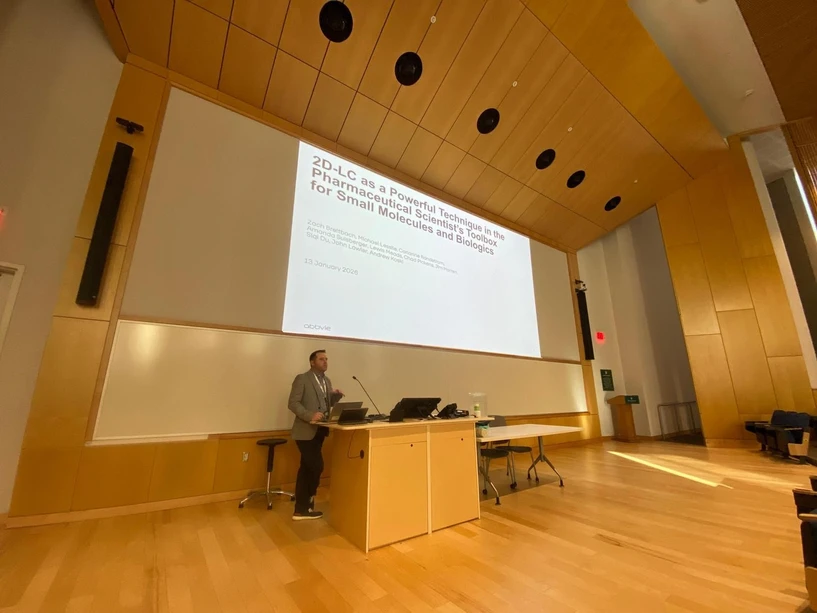 MDCW: 17th MDCW 2026 (Day 1): KL-2 2D-LC as a powerful technique in the pharmaceutical scientist's toolbox for small molecules and biologics (Zachary Breitbach, AbbVie)
10:00 – 10:20 AM O-1 Discovery-based analysis for two-dimensional gas chromatography trends using alteration analysis and two-dimensional correlation analysis
- Chris Freye (Los Alamos National Laboratory)
Two-dimensional gas chromatography (GC×GC) when coupled with mass spectrometry (MS) especially high-resolution mass spectrometry (HRMS) provides the ideal technique to discover minute chemical changes. However, GC×GC analyses result in extremely large datasets (GBs of information) wherein the statistically significant chemical changes are buried within the background chemical matrix. To combat these issues, many chemometric techniques have been developed or applied. Recently we introduced a new chemometric technique for GC-MS termed alteration analysis (ALA) and two-dimensional correlation (2DCOR) which can be used to discover statistically significant chemical changes across a series of chromatograms and understand the relationship between the statistically relevant changes. ALA generates three sets of information, the basic alteration map (BAM) which is the magnitude of the change, the synchronous alteration map (SAM) which describes the linear change, and the asynchronous alteration map (AAM) which describes the non-linear change. 2DCOR can then be used to understand the relationship between the chemical changes but 2DCOR can also resolve the sequence of the changes. A workflow for GC×GC-MS will be demonstrated. Special attention will be given to what differentiates the GC×GC work flow from GC for both the ALA and 2DCOR.
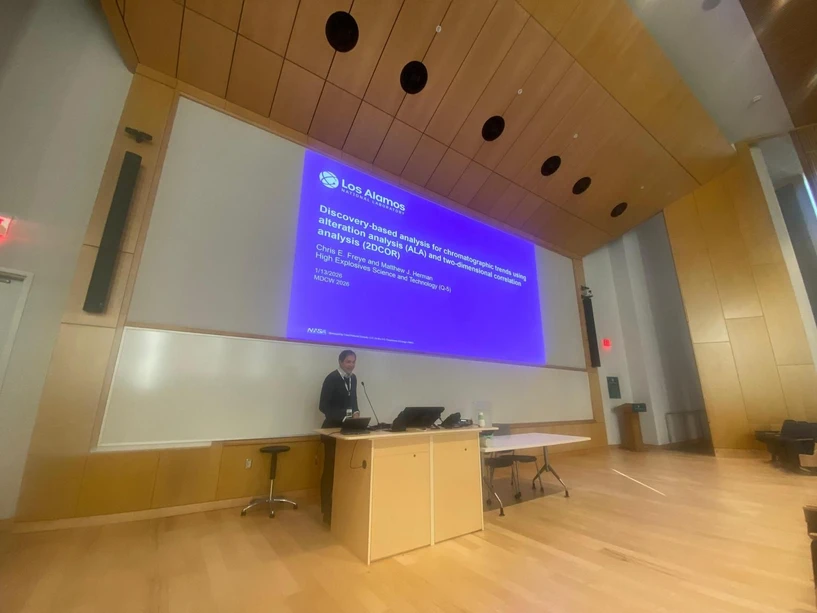 MDCW: 17th MDCW 2026 (Day 1): O-1 Discovery-based analysis for two-dimensional gas chromatography trends using alteration analysis and two-dimensional correlation analysis (Chris Freye, Los Alamos National Laboratory)
10:30 – 11:00 AM Coffee Break
11:00 – 11:20 AM O-2 Application of GC×GC for the investigation of fermented beverages
- Sarah Foster (William & Mary)
Fermentation is a byproduct of microbial metabolism. When beverages become fermented, the microorganisms involved produce volatile organic compounds (VOCs). It is important to examine the VOC profile of fermented beverages to understand their consumer perception and health considerations. Traditionally, VOCs are detected by gas chromatography-mass spectrometry (GC-MS). However, more complex matrices, like fermented products, benefit from the enhanced separation of comprehensive two-dimensional gas chromatography (GC×GC). This study aimed to develop an understanding of the VOCs related to different fermented beverages through a nontargeted lens via comprehensive two-dimensional gas chromatography with dual detection using flame ionization detection and time-of-flight mass spectrometry (GC×GC-FID/TOFMS). Data analysis focused on developing a complete VOC profile of fermented products. Moreover, analysis aimed to identify differentiating VOCs to understand differences between products and distinguish the drink matrix from the microbial matrix. Results indicate that it is possible to attribute VOCs to one component of a complex sample, creating a microbial VOC profile and a base VOC profile. It was possible to discern products from one another, including contaminated products from noncontaminated products. Data visualization consisted of Principal Component Analysis (PCA) scores and loadings plots, bar chats, Hierarchical Cluster Analysis (HCA), and Partial Least Squares Discriminant Analysis (PLS-DA). Data analysis software was capable of processing and aligning samples with high levels of biological variation, making GC×GC a promising analytical tool for market research and regulation. Future studies will aim to correlate VOCs detected via GC×GC-FID/TOFMS to the microbial genetics of fermented products.
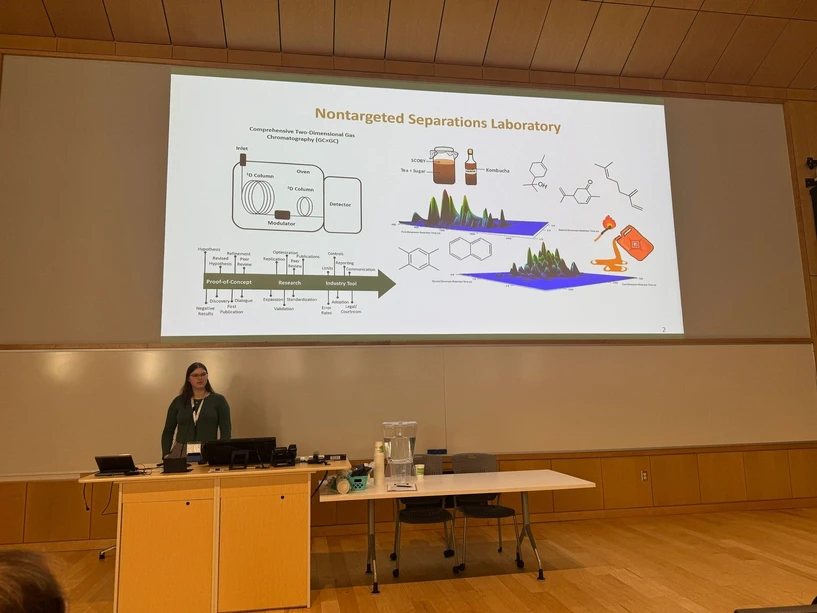 MDCW: 17th MDCW 2026 (Day 1): O-2 Application of GC×GC for the investigation of fermented beverages (Sarah Foster, William & Mary)
11:20 – 11:40 AM O-3 Exploring PFAS in consumer goods using two-dimensional gas chromatography and high-resolution mass spectrometry
- David Alonso (LECO Corporation)
Enormous quantities of Polyfluoro- and perfluoroalkyl substances (PFAS) have been produced through telomerization and electrochemical fluorination since the late 1940s. PFAS are a group of anthropogenic chemicals produced to improve the physical and chemical characteristics of products such as food packaging, cookware, textiles, paints, flame retardants, and stain-resistant clothing. PFAS increase heat, water, and oil resistance in these consumer products. Humans can be exposed to these harmful substances through ingestion and inhalation. Therefore, it is crucial that researchers screen these toxic chemicals on a regular basis. Unfortunately, monitoring hazardous chemicals such as persistent organic pollutants (POPs) is challenging due to the complexity of sample matrices. The goal of this study was to develop an analytical methodology for the comprehensive screening of complex samples for volatile and semi-volatile PFAS, as well as additional emerging contaminants. The protocol included the application of effective sample introduction techniques, as well as the design of general data acquisition and processing strategies for quick analysis of a wide variety of consumer goods. Different ionization modes: 1) Electron Ionization (EI), 2) Positive Chemical Ionization (PCI), and 3) Negative Chemical Ionization (NCI). The rich GCxGC-HRTOFMS data were used to annotate different classes of PFAS and additional harmful chemicals.
11:40 – 12:00 PM O-4 River contaminant source apportionment: Multidimensional chromatographic data applied geospatially
- Kevin Hayes (Mount Royal University)
An elemental analysis was conducted on matched pairs of new and used aircraft engine oils for various aircraft engine types (piston, turboprop, and jet). The analysis aimed to determine what, if any, accumulation or loss of oil and fuel additives may occur with engine use. Losses in elemental loadings from new to used oils imply that there may be a possibility for the element-containing compounds to enter the pneumatic system of bleed air pressurized aircraft at a higher rate than that of oil attrition and potentially impact cabin air quality. Inductively Coupled Plasma Optical Emission Spectroscopy (ICP OES) was employed to complete the elemental analysis, and results describe a greater than twenty percent loss of phosphorus from new to used jet oils and a significant accumulation of lead in the oil of piston aircraft (Range: < LOD to 6821 ± 83 mg kg-1 ; n=2). In an effort to speciate and identify compounds of concern, the oil samples were introduced to a flow modulated GCxGC-TOFMS (SepSolv BenchTOF). Data was analyzed utilizing Chromspace and Analyzer Pro XD. The new and used oils were compared, and compounds exclusive to the used oils were screened to determine the possibility of increased risk associated with hazardous accumulations in the used oil. This used oil, which is adulterated by either amendment or contamination, is not fully described to individuals who may interact with the product, and therefore an apparent risk is potentially unmitigated.
12:00 – 12:20 PM O-5 Sniff smarter: empowering GC–O with trap-based enrichment and GC×GC for advanced aroma profiling
- Lina Mikaliunaite (Markes International)
Gas chromatography–olfactometry (GC–O) integrates human sensory perception into analytical workflows by combining the nose with chromatographic instrumentation. While mass spectrometry provides molecular information, it cannot describe odour attributes, making GC–O essential for linking chemical composition to sensory perception.
Analysis is complicated by several factors. Many odorants occur at trace levels, with detection thresholds below the sensitivity of common detectors, creating a gap between measurable compounds and those perceived by the human nose. Additionally, co-elution in complex matrices, such as citrus fruits, can obscure identification of the compounds responsible for specific aromas.
Trap-based enrichment addresses these challenges by combining several sampling stages into a single run, focusing analytes on an electrically-cooled trap. This enhances sensitivity, allowing previously undetectable odorants to be confidently identified by mass spectrometry.
Comprehensive two-dimensional gas chromatography (GC×GC) further improves separation by resolving co-eluting compounds, producing cleaner spectra and enabling distinct assignment of compounds to sensory events.
This integrated workflow provides high-resolution aroma profiling, bridging analytical chemistry and sensory science, and is broadly applicable to flavour research, quality control, and product development in the food and beverage sector.
 MDCW: 17th MDCW 2026 - Sponsors
12:20 – 1:20 PM Lunch
1:30 – 1:50 PM O-6 Leveraging local libraries for positively parsimonious peak tables
- James Harynuk (University of Alberta)
GC×GC- MS shines when doing non-target analysis, and is an incredibly important tool for studying human health, human exposures to exogenous compounds, and transformations of compounds released into the environment. The enhanced separation and expanded separation space permits us to deliver very pure peaks to the mass spectrometer, free from many coelutions and also free from bleed from the primary column. This pure peak then results in a much cleaner, high quality mass spectrum, regardless of the mass spectrometer used. If a high resolution mass spectrometer is used, we then know the exact mass (and thus elemental composition) of every ion in the spectrum. This is a truly important tool for studying these problems. The inspiration for this work lies in the problem of what to do with unknown unknowns – those compounds not in any library? We have been exploring new, simple ways to improve the consistency in our reporting of compounds in non-target analyses. Using a combination of a user library and relatively simple tools, we can ensure that we always recognize the same compounds across various samples and sample types, even if we do not know exactly what the compound is. This should improve the quality of downstream data analysis, and potentially help standardize some of the tools used in GC×GC-MS data processing.
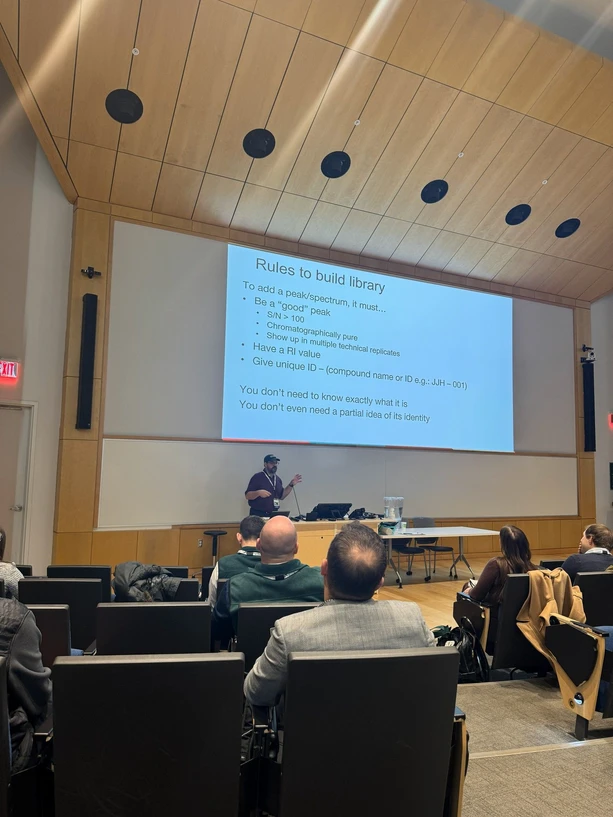 MDCW: 17th MDCW 2026 (Day 1): O-6 Leveraging local libraries for positively parsimonious peak tables (James Harynuk, University of Alberta)
 MDCW: 17th MDCW 2026 (Day 1): James Harynuk and Katelynn Perrault Uptmor
1:50 – 2:10 PM O-7 Structural elucidation using comprehensive two-dimensional gas chromatography/time-of-flight mass spectrometry and machine learning for unknown metabolites in HeLa cells
- Masaaki Ubukata (JEOL Ltd.)
Gas chromatography–mass spectrometry (GC-MS) and comprehensive two-dimensional (GCxGC)-MS are a powerful tool for analyzing volatile organic compounds, widely used in both qualitative and quantitative applications. Compound annotation typically relies on comparison with commercial EI mass spectral databases, which are known for their reproducibility and instrument independence. However, many biologically relevant compounds remain unregistered, limiting the scope of metabolomic studies.
To address this challenge, we developed a deep learning model capable of predicting EI mass spectra from molecular structures. Using NIST 23 database for training of the prediction model, then approximately 100 million compound structures from PubChem and 75 million metabolite derivatives generated an AI-based EI mass spectral database for supporting metabolomics research. In this study, we focused on N-methyluridine monophosphate (Nmethyl UMP), a metabolite derived from RNA modification, which is absent from existing databases.
We performed comprehensive analysis of water-soluble metabolites extracted from HeLa cells using GCxGC-TOFMS and characterized a TMS derivative of N-methyl UMP. The predicted spectra showed high concordance with experimental data, validating the model’s accuracy. These results demonstrate that AI-based spectral prediction enables reliable identification of unknown metabolites, offering a promising approach for expanding the capabilities of GC-MS and GCxGC-MS in untargeted metabolomics.
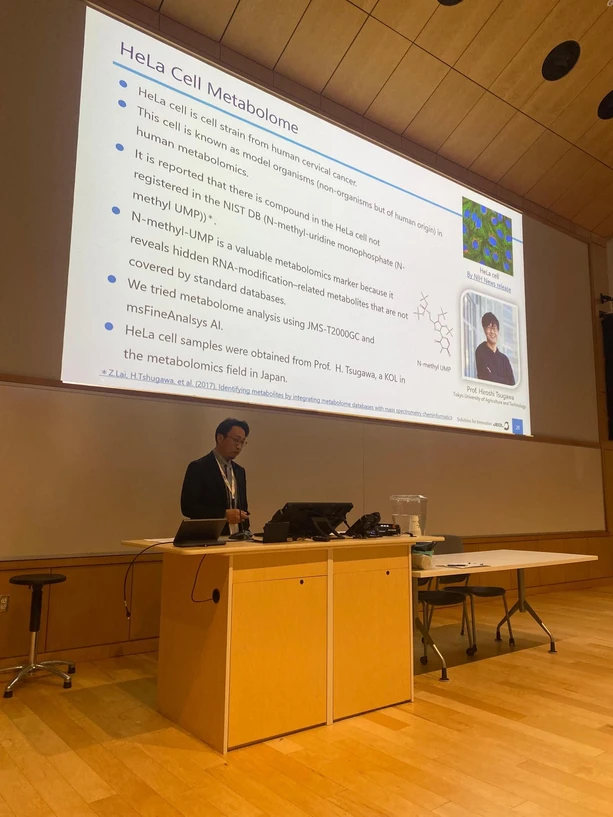 MDCW: 17th MDCW 2026 (Day 1): O-7 Structural elucidation using comprehensive two-dimensional gas chromatography/time-of-flight mass spectrometry and machine learning for unknown metabolites in HeLa cells (Masaaki Ubukata, JEOL Ltd.)
2:10 – 2:30 PM O-8 Tile-based Fisher-ratio analysis of GC×GC-TOFMS data of SPME sampled VOCs produced from Pseudomonas aeruginosa and Aspergillus fumigatus
- Wenjing Ma (University of Washington)
Pseudomonas aeruginosa and Aspergillus fumigatus are major pathogens found in the lungs of Cystic fibrosis patients. Their coexistence worsens lung function and leads to poor clinical outcomes. To investigate their metabolic interactions, we analyzed the volatile space of P. aeruginosa and A. fumigatus using SPME-GC×GC-TOFMS across four sample classes: Media, P. aeruginosa monoculture, A. fumigatus monoculture, and their co-culture. GC×GC-TOFMS provides high-resolution, high-sensitivity separation of complex metabolomic samples, but it also generates high-dimensional data that can be challenging to analyze. Therefore, feature selection and chemometric methods are essential to extract meaningful information. Additionally, peak table alignment issues due to retention time shifting across samples can in principle hinder the comparative analysis of multiple samples. Hence, we applied tile-based Fisher-ratio analysis using ChromaTOF Tile software to discover analytes that are statistically significant in concentration differences across samples with replicates while minimizing retention-time shifts. This platform generates a comprehensive hit list that links detected analytes across all samples. In summary, our study integrated tile-based analysis to generate a comprehensive peak table that relates all analytes in all samples in terms of up and down regulation of their concentrations. With further analyte identification, we have characterized analytes specific to each sample class to ultimately learn more about Pseudomonas aeruginosa and Aspergillus fumigatus pathogens and their co-culture.
2:30 – 2:50 PM O-9 Implementing tile-based Fisher ratio analysis of GC×GC-TOFMS data to obtain a master peak table of all detected analytes in petroleum-based samples
- Rachel Halvorsen (University of Washington)
Historically, tile-based Fisher ratio (F-ratio) analysis of comprehensive two-dimensional gas chromatography time-of-flight mass spectrometry (GC×GC-TOFMS) data was developed for analysts to obtain a hit list to discover which analytes are top hits that most significantly distinguish the sample classes, with lower F-ratio hits being ignored and/or discarded. To broaden the scope of tile-based F-ratio analysis we explore the ability of the software to discover all analyte components that are detected in a set of samples, taking full advantage of the tiling aspect of the software which mitigates the adverse impact of sample run–to– sample run retention time misalignment. For this study a set of nine petroleum samples are simultaneously analyzed and statistically compared via p-testing to blank chromatograms to produce one comprehensive hit list. The pin locations and signal areas at the top m/z F-ratio are used together with replicate blanks to generate a master peak table (MPT) that in turn is used to generate sample-specific peak tables (SSPT) for each sample that are naturally retention-time aligned via the F-ratio software. The nine petroleum samples vary to a large extent in the identity and number of analytes present, and a large number of trace analytes were discovered across samples. This workflow also facilitated generating simulated distillation curves for the nine petroleum samples to provide further chemical distribution insight.
3:00 – 4:00 PM Coffee Break and Poster Session
 MDCW: 17th MDCW 2026 (Day 1): Katelynn Perrault Uptmor and Christine Loeb-Stubbins (European Field Product Manager for Separation Science at LECO Europe)
P-1 Temperature-optimized porous graphitic carbon chromatography for improved resolution of high-mannose glycans
- Oluwaseun Ajayi (University of Georgia)
P-3 A new software tool for standardization of GC×GC group-type templates
- John Hayes (LECO Corporation)
P-4 Developing 2D mzCompare for single comprehensive two-dimensional chromatography time-of-flight mass spectrometry chromatograms: substantial resolution enhancement in the context of statistical overlap theory
- Wenjing Ma (University of Washington)
P-5 GC×GC for the modern laboratory: enhancing aroma profiling and product comparison
- Lina Mikaliunaite (Markes International)
P-7 Advances in method development strategies and tools for two-dimensional liquid chromatography
- Dwight Stoll (Gustavus Adolphus College)
P-9 Analysis of aroma compounds in spices by comprehensive two-dimensional gas chromatography/time-of-flight mass spectrometry with machine learning-based structure elucidation and molecular formula estimation
- Azusa Kubota (JEOL Ltd.)
P-14 Optimizing solvent selection and data reduction workflows for GC×GC fire debris analysis
- Madison O'Brien (William & Mary)
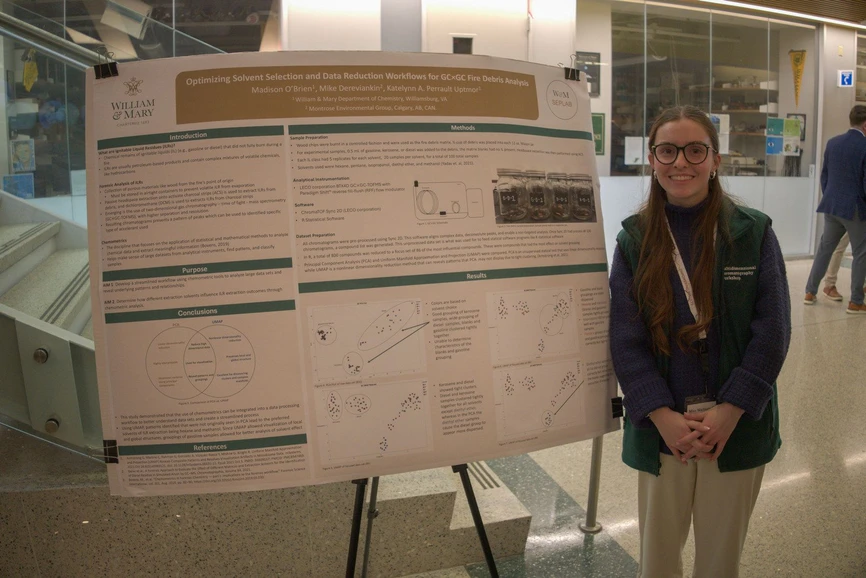 MDCW: 17th MDCW 2026 (Day 1): P-14 Optimizing solvent selection and data reduction workflows for GC×GC fire debris analysis (Madison O'Brien, William & Mary)
P-15 Volatile characterization of American foulbrood disease using comprehensive two-dimensional gas chromatography
- Breanna E. Christensen (William & Mary)
 MDCW: 17th MDCW 2026 (Day 1): Breanna E. Christensen (William & Mary) and Madison O'Brien (William & Mary)
P-16 Advanced fuel and petrochemical analysis with comprehensive two-dimensional gas chromatography (flow-modulated GC×GCFID)
- Nicole Lock (PAC)
P-18 Microplastics as vectors of organic contaminants on Southern California beaches: A TD/Py-GC×GC-TOFMS study
- Nathan Venegas (Cal State LA)
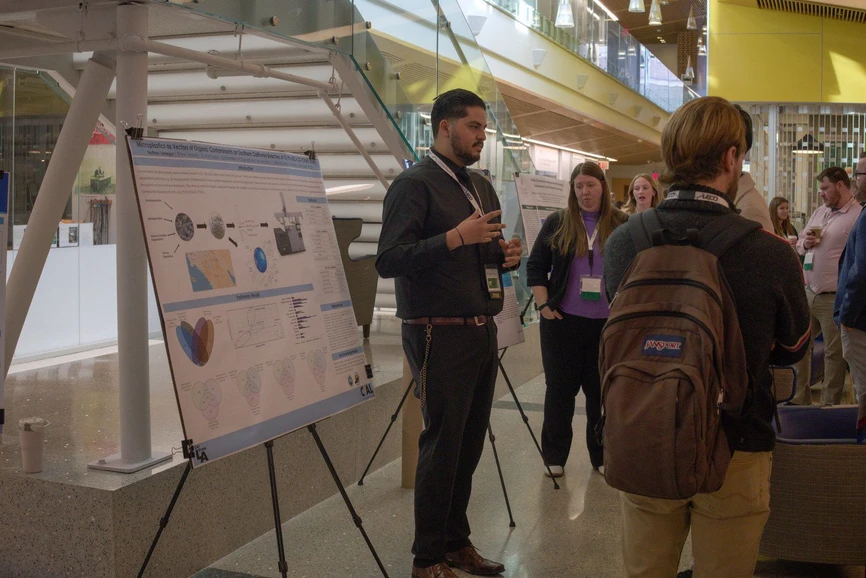 MDCW: 17th MDCW 2026 (Day 1): P-18 Microplastics as vectors of organic contaminants on Southern California beaches: A TD/Py-GC×GC-TOFMS study (Nathan Venegas, Cal State LA)
P-19 Comparison of solid phase microextraction coatings for headspace extraction of volatile perfluoroalkyl substances using one- and two-dimensional gas chromatography
- Madison L. Williams (The State University at Buffalo New York)
P-22 Development of a fully software-controlled, alignment-free loop-delay thermal modulator for GC×GC
- Zhanpin Wu (GC Image)
 MDCW: 17th MDCW 2026 (Day 1): P-22 Development of a fully software-controlled, alignment-free loop-delay thermal modulator for GC×GC (Zhanpin Wu, GC Image)
4:00 – 5:00 PM Guided Discussion 1
6:30 – 8:30 PM LECO Conference Dinner (Tasting & Dinner Event)
 MDCW: 17th MDCW 2026 (Day 1): LECO Conference Dinner (Tasting & Dinner Event)
 MDCW: 17th MDCW 2026 (Day 1): LECO Conference Dinner (Tasting & Dinner Event)
-Workshop-LOGO_s.webp)


-Workshop-Cover_s.webp)