GLP-1 Peptide Analysis: Chromatography Challenges & Solutions with Phenomenex's Sean Orlowicz

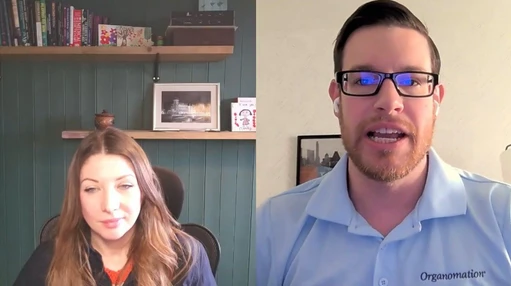
- Photo: Concentrating on Chromatography: GLP-1 Peptide Analysis: Chromatography Challenges & Solutions with Phenomenex's Sean Orlowicz
- Video: Concentrating on Chromatography: GLP-1 Peptide Analysis: Chromatography Challenges & Solutions with Phenomenex's Sean Orlowicz
Join host David Oliva from Organomation for an in-depth conversation with Sean Orlowicz, Principal Marketing Development Manager at Phenomenex, about the analytical challenges and innovative solutions for GLP-1 peptide therapeutics like semaglutide and tirzepatide.
In this episode, presented in collaboration with Separation Science—a premier learning platform for analytical scientists—Sean shares over 22 years of chromatography expertise covering critical topics including:
Key Discussion Topics:
- Unique analytical challenges in separating GLP-1 analogues and related impurities
- Column selectivity and efficiency optimization for complex peptide separations
- The role of Aeris Peptide XB-C18 and core-shell particle technology
- Method robustness, transferability, and regulatory considerations for sterile injectables
- Size exclusion chromatography for aggregate analysis
- High-resolution mass spectrometry applications in peptide analysis
- Preparative chromatography for API purification at commercial scale
- Common pitfalls and troubleshooting tips for peptide method development
- The genericization of GLP-1 therapeutics and global market trends
About the Guest:
Sean Orlowicz brings extensive experience from both laboratory and global pharmaceutical market perspectives at Phenomenex, specializing in peptide analysis workflows from API manufacturing to analytical testing.
This episode is brought to you in collaboration with Separation Science, the leading online educational platform providing chromatographers with expert tutorials, webinars, application notes, and learning modules across LC, GC, MS, and separation technologies.
Special thanks to Phenomenex for their continued innovation in developing chromatography solutions that advance pharmaceutical analysis, including specialized columns and methods for GLP-1 peptide therapeutics.
Resources Mentioned:
- Phenomenex GLP-1 Applications Notebook
- Biozen dSEC-1 SEC columns for aggregate analysis
- Technical notes on semaglutide and tirzepatide analysis
- Visit www.phenomenex.com for application support
- Explore www.sepscience.com for chromatography education and training
Video Transcription
Sean Oritz (Phenomenex) has worked in chromatography for 22+ years and is now Principal Marketing Development Manager for the pharmaceutical sector, helping shape global strategy for pharma customers—currently with a major focus on GLP-1 therapeutics.
He explains that GLP-1 analytical methods are challenging because impurities and degradants are extremely similar to the main peptide (single amino-acid deletions, oxidations, isomers), so achieving reliable separation and quantitation is difficult. For reverse-phase peptide workflows, he highlights two key drivers of performance: selectivity (secondary interaction mechanisms beyond pure hydrophobicity) and efficiency (highly efficient particles improve resolution and integration of low-level impurities). He notes the Aeris Peptide XB-C8 is widely used because it combines peptide-friendly selectivity with high efficiency (core-shell platform).
Regulatory scrutiny is high (sterile injectables, global distribution), so robustness and method transferability matter: methods must work across instruments and labs worldwide, and long shallow gradients can amplify system differences (dwell/gradient delay volumes, hardware configurations). He recommends investing effort upfront (temperature control, understanding instrument effects, testing multiple column batches, strong vendor support) and being patient—methods are often long (45–100 min).
He also points out the growing role of mass spectrometry (including triple quad and HRMS) for specificity—sometimes compensating for chromatographic limitations—and the increasing need for SEC in GLP-1 drug products to monitor aggregation (monomer/dimer/trimer). Finally, he emphasizes not “copy-pasting” generic conditions (e.g., TFA/standard columns) for peptides, and he notes Phenomenex is supporting the field through education, real-sample application work, and new product development (including SEC columns tailored to GLP-1s).
This text has been automatically transcribed from a video presentation using AI technology. It may contain inaccuracies and is not guaranteed to be 100% correct.
Concentrating on Chromatography Podcast
Dive into the frontiers of chromatography, mass spectrometry, and sample preparation with host David Oliva. Each episode features candid conversations with leading researchers, industry innovators, and passionate scientists who are shaping the future of analytical chemistry. From decoding PFAS detection challenges to exploring the latest in AI-assisted liquid chromatography, this show uncovers practical workflows, sustainability breakthroughs, and the real-world impact of separation science. Whether you’re a chromatographer, lab professional, or researcher you'll discover inspiring content!
You can find Concentrating on Chromatography Podcast in podcast apps:
and on YouTube channel