LCMS
More information
WebinarsAbout usContact usTerms of use
LabRulez s.r.o. All rights reserved. Content available under a CC BY-SA 4.0 Attribution-ShareAlike
Author
Organomation
Organomation
Organomation, founded in 1959, designs and manufactures high-quality nitrogen evaporators and extraction systems. Known for innovation and durability, their lab instruments are used globally for efficient sample preparation with strong customer support.
Tags
Article
Science and research
Product
Video
LinkedIn Logo

Save Time by Accelerating Solvent Evaporation
Th, 13.11.2025
| Original article from: Organomation / David Oliva
Learn how Organomation evaporators help labs save up to 8 hours weekly by accelerating solvent evaporation for hexane, chloroform, acetonitrile, and methanol—boosting research speed and efficiency.
Video placeholder
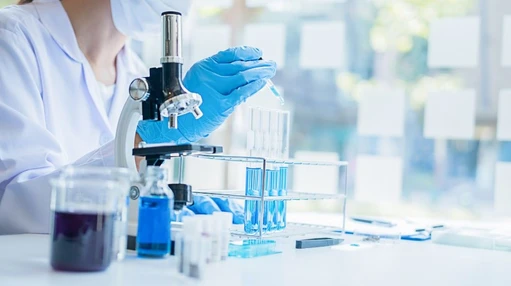
  • Photo: Organomation: Save Time by Accelerating Solvent Evaporation
  • Video: Organomation: Efficient Sample Concentration at Ambient Temperatures

Labs inefficiently evaporating excess hexane, chloroform, acetonitrile or methanol can potentially save more than 8 hours per week by utilizing an Organomation evaporator.

2025 marked the introduction of our new logo and tag line: Accelerate Breakthrough Research with Intuitive Sample Preparation. The hope is that our revamped branding strongly resonates with those who count on Organomation sample concentrators and gas generators in their research.

The goal of this blog post is to take a deeper dive into what accelerating research actually looks like and the ways that Organomation is driving this. This year also featured our first ever evaporative workstation contest where researchers used their DIY units to dry down samples. Despite limited resources, these clever DIY setups efficiently remove excess solvent from a small number of samples each week. By comparison, Organomation products can accelerate the research process by providing faster evaporation in place of these homemade setups.

I am extremely fortunate to meet chemists at conferences such as the American Society of Mass Spectrometry. One of the most common questions I am asked when people see our sample dryers is “How long will my evaporation take using your evaporation equipment?” In response, we have developed an easy to use tool which estimates the answer to this question and compares that to how long the process takes currently. This allows us to estimate how much time we can save the lab in evaporation time each week. Try the tool for yourself!

While this tool is still somewhat new, we wanted to share some of the exciting data we have compiled regarding the time saving we can provide analytical laboratories. In summary, across all of the solvents we collected data for, we were able to save labs just under five hours per week! Organomation evaporators especially exceled when it came to generating time savings from chemists working with the following solvents: hexane, chloroform, acetonitrile and methanol.

Hexane Evaporation:

How American University's Evaporator Upgrade Benefits Their Ecogeochemistry Lab

Dr. Chelsea Koch at American University relies on hexane evaporation as a key step in her ecogeochemistry lab, particularly for lipid extraction in Arctic marine ecosystem research. Using a MICROVAP microplate evaporator upgraded to maintain low temperatures, she gently evaporates five to six milliliters of hexane per sample at 25°C—twice during sample preparation—to prevent thermal degradation and ensure the integrity of sensitive biomarkers. This efficient process allows her to process eight samples at a time, concentrating lipid extracts from sediments and tissues for analysis, and is vital for her research into climate change impacts on Arctic marine environments.

Organomation: How American University's Evaporator Upgrade Benefits Their Ecogeochemistry LabOrganomation: How American University's Evaporator Upgrade Benefits Their Ecogeochemistry Lab

Chloroform Evaporation:

Nitrogen Generator and Compact Evaporator Improve Fatty Acid Analysis

The Moyo Lab at Louisiana State University uses chloroform evaporation as a critical step in preparing fatty acid extractions from plant, insect, fish, and animal feces samples for nutrient dynamics research. By employing Organomation’s unheated 24-position MICROVAP evaporator in combination with the NITRO-GEN+ nitrogen generator, the lab efficiently removes excess chloroform from 2 mL and 15 mL samples, concentrating the extracts for analysis. This process is streamlined by the nitrogen generator’s continuous, high-purity gas supply, eliminating the need for cumbersome nitrogen cylinders and enabling faster, safer, and more reliable sample preparation with minimal operator training.
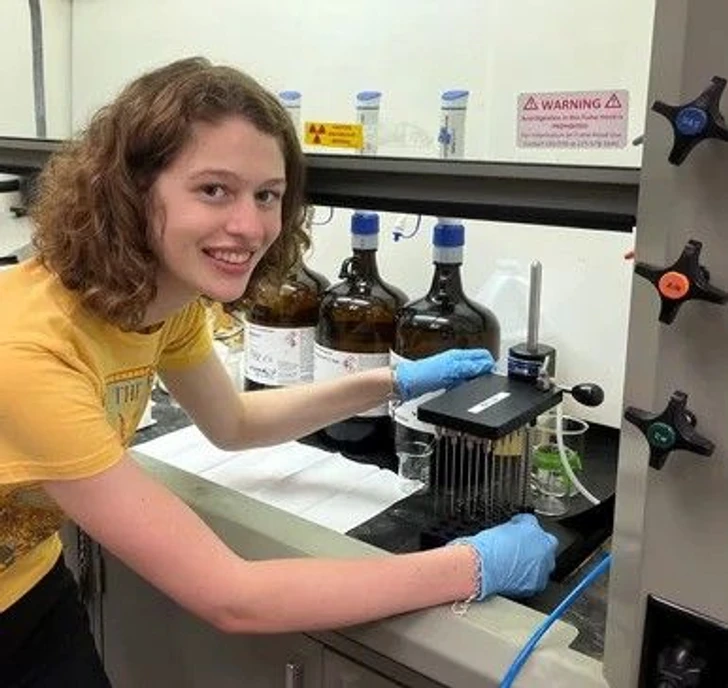
Organomation: Nitrogen Generator and Compact Evaporator Improve Fatty Acid AnalysisOrganomation: Nitrogen Generator and Compact Evaporator Improve Fatty Acid Analysis

Acetonitrile Evaporation:

Measuring Stable Isotopes Using Derivatization Before GC-MS Analysis

Metabolic Solutions in Nashua, New Hampshire uses acetonitrile evaporation as a crucial step in their workflow for measuring stable isotopes before GC-MS analysis. After precipitating proteins with acetonitrile, the lab uses a 24-position N-EVAP nitrogen evaporator to remove the acetonitrile, ensuring that all residual moisture is eliminated from the samples, as excess moisture is a leading cause of test failure. This efficient evaporation process enables the addition of the appropriate solvent for derivatization and supports the lab’s high throughput, processing between 20,000 and 30,000 samples annually.
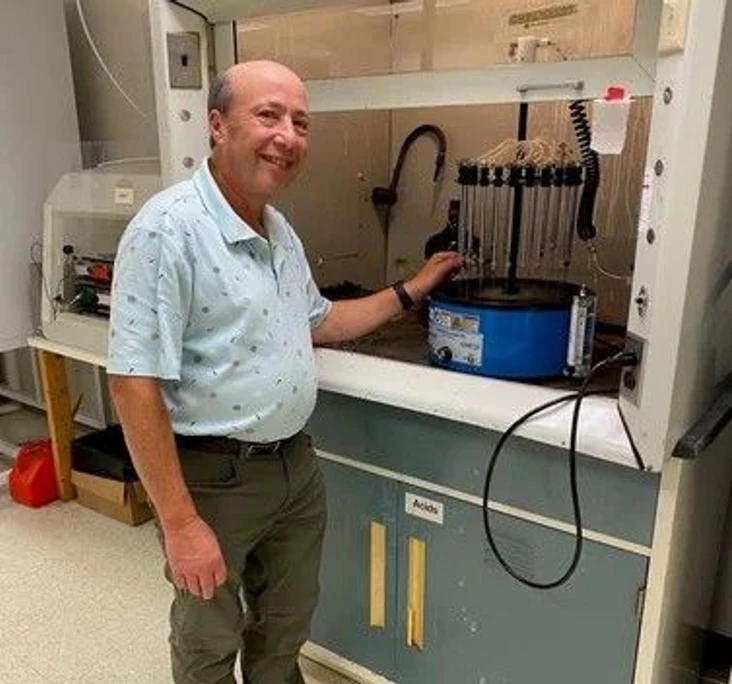
Organomation: Measuring Stable Isotopes Using Derivatization Before GC-MS AnalysisOrganomation: Measuring Stable Isotopes Using Derivatization Before GC-MS Analysis

Methanol Evaporation:

Optimizing Creatine Deficiency Research Through Faster Sample Prep Before LC-MS/MS

The Hospital for Sick Children in Toronto uses methanol evaporation as a key step in sample preparation for research on creatine deficiency syndromes. Human urine and plasma samples are treated with methanol prior to nitrogen blowdown, while tissue homogenates undergo protein precipitation with TCA and methanol, followed by centrifugation. The supernatant from tissue homogenates is then evaporated to dryness at 60°C for 30 minutes using the MICROVAP sample concentrator; after derivatization and cooling, the samples are again evaporated before resuspension in methanol. This methanol evaporation process is essential for concentrating analytes ahead of LC-MS/MS analysis, and the lab relies daily on the MICROVAP for reliable and efficient sample preparation.

Organomation: Optimizing Creatine Deficiency Research Through Faster Sample Prep Before LC-MS/MSOrganomation: Optimizing Creatine Deficiency Research Through Faster Sample Prep Before LC-MS/MS

Conclusion:

Empowering Laboratories with Faster Sample Prep

Accelerating solvent evaporation is more than just a time-saving measure—it’s a transformative step that empowers laboratories to focus on what truly matters: advancing research and making meaningful scientific discoveries. As demonstrated by leading institutions such as American University, Louisiana State University, Metabolic Solutions, and the Hospital for Sick Children, Organomation’s evaporators consistently deliver significant efficiency gains across a variety of workflows—especially for hexane, chloroform, acetonitrile, and methanol evaporation.

With the introduction of our new branding and the launch of our user-friendly time-saving tool, Organomation is committed to supporting researchers in their pursuit of intuitive, reliable, and efficient sample preparation. By choosing Organomation evaporators, labs can reclaim valuable hours each week, minimize manual intervention, and ensure the integrity of sensitive samples—ultimately accelerating the pace of breakthrough research.

Whether you’re processing a handful of samples each week or managing thousands annually, upgrading your evaporation process is a simple way to save time, enhance safety, and drive your research forward. Use our evaporation time calculator tool and accelerate your next breakthrough today!

Organomation
LinkedIn Logo
 

Related content

Determination of Authenticity of Manuka Honey Using the MALDI-8030 Benchtop Linear MALDI-TOF Mass Spectrometer

Applications
| 2026 | Shimadzu
Instrumentation
MALDI, LC/MS, LC/TOF
Manufacturer
Shimadzu
Industries
Food & Agriculture

Analysis of Inorganic Anions in Drinking Water According to EPA Method 300.1 Using Nexera IC -Part A

Applications
| 2026 | Shimadzu
Instrumentation
Ion chromatography
Manufacturer
Shimadzu
Industries
Food & Agriculture

Quality Evaluation of mRNA by Electrophoresis

Applications
| 2026 | Shimadzu
Instrumentation
Capillary electrophoresis
Manufacturer
Shimadzu
Industries
Pharma & Biopharma

LC/MS dMRM Method Refinement Expands Targeted Lipidomics Studies from Plasma to Cells and Tissues

Applications
| 2026 | Agilent Technologies
Instrumentation
LC/MS, LC/MS/MS, LC/QQQ
Manufacturer
Agilent Technologies
Industries
Lipidomics, Clinical Research

Sensitive Detection of Aflatoxins by the Agilent 1290 Infinity III Fluorescence Detector

Applications
| 2026 | Agilent Technologies
Instrumentation
HPLC
Manufacturer
Agilent Technologies
Industries
Food & Agriculture
 

Related articles

Alternatives to Traditional Fume Hoods: A Comprehensive Guide to Laboratory Containment Solutions
Article | Laboratories

Alternatives to Traditional Fume Hoods: A Comprehensive Guide to Laboratory Containment Solutions

Explore alternatives to traditional ducted fume hoods, including glove boxes, snorkel systems, ductless hoods, and specialized containment solutions for safer, energy-efficient laboratories.
Organomation
tag
share
more
Oligos Made Easy - Part 4: HILIC
Article | Academy

Oligos Made Easy - Part 4: HILIC

Discover how HILIC-MS is transforming oligonucleotide analysis. Learn retention principles, method development steps, and practical tips for achieving high-resolution, ion-pair-free separations.
KNAUER
tag
share
more
Advanced equipment for self-driving analytical AI laboratory
Article | Science and research

Advanced equipment for self-driving analytical AI laboratory

University of Amsterdam and Agilent partner to advance polymer analysis using 2D-LC-MS and AI-driven method development in a self-driving analytical laboratory.
University of Amsterdam
tag
share
more
Unraveling Neuroendocrine Cancer Research with Mass Spectrometry
Interview | Science and research

Unraveling Neuroendocrine Cancer Research with Mass Spectrometry

Dr. Rachael Guenter traces her path into neuroendocrine tumor research and explains how clinician partnerships and mass spectrometry accelerate translational discoveries—plus why “think zebras” matters.
Organomation
tag
share
more
 

Related content

Determination of Authenticity of Manuka Honey Using the MALDI-8030 Benchtop Linear MALDI-TOF Mass Spectrometer

Applications
| 2026 | Shimadzu
Instrumentation
MALDI, LC/MS, LC/TOF
Manufacturer
Shimadzu
Industries
Food & Agriculture

Analysis of Inorganic Anions in Drinking Water According to EPA Method 300.1 Using Nexera IC -Part A

Applications
| 2026 | Shimadzu
Instrumentation
Ion chromatography
Manufacturer
Shimadzu
Industries
Food & Agriculture

Quality Evaluation of mRNA by Electrophoresis

Applications
| 2026 | Shimadzu
Instrumentation
Capillary electrophoresis
Manufacturer
Shimadzu
Industries
Pharma & Biopharma

LC/MS dMRM Method Refinement Expands Targeted Lipidomics Studies from Plasma to Cells and Tissues

Applications
| 2026 | Agilent Technologies
Instrumentation
LC/MS, LC/MS/MS, LC/QQQ
Manufacturer
Agilent Technologies
Industries
Lipidomics, Clinical Research

Sensitive Detection of Aflatoxins by the Agilent 1290 Infinity III Fluorescence Detector

Applications
| 2026 | Agilent Technologies
Instrumentation
HPLC
Manufacturer
Agilent Technologies
Industries
Food & Agriculture
 

Related articles

Alternatives to Traditional Fume Hoods: A Comprehensive Guide to Laboratory Containment Solutions
Article | Laboratories

Alternatives to Traditional Fume Hoods: A Comprehensive Guide to Laboratory Containment Solutions

Explore alternatives to traditional ducted fume hoods, including glove boxes, snorkel systems, ductless hoods, and specialized containment solutions for safer, energy-efficient laboratories.
Organomation
tag
share
more
Oligos Made Easy - Part 4: HILIC
Article | Academy

Oligos Made Easy - Part 4: HILIC

Discover how HILIC-MS is transforming oligonucleotide analysis. Learn retention principles, method development steps, and practical tips for achieving high-resolution, ion-pair-free separations.
KNAUER
tag
share
more
Advanced equipment for self-driving analytical AI laboratory
Article | Science and research

Advanced equipment for self-driving analytical AI laboratory

University of Amsterdam and Agilent partner to advance polymer analysis using 2D-LC-MS and AI-driven method development in a self-driving analytical laboratory.
University of Amsterdam
tag
share
more
Unraveling Neuroendocrine Cancer Research with Mass Spectrometry
Interview | Science and research

Unraveling Neuroendocrine Cancer Research with Mass Spectrometry

Dr. Rachael Guenter traces her path into neuroendocrine tumor research and explains how clinician partnerships and mass spectrometry accelerate translational discoveries—plus why “think zebras” matters.
Organomation
tag
share
more
 

Related content

Determination of Authenticity of Manuka Honey Using the MALDI-8030 Benchtop Linear MALDI-TOF Mass Spectrometer

Applications
| 2026 | Shimadzu
Instrumentation
MALDI, LC/MS, LC/TOF
Manufacturer
Shimadzu
Industries
Food & Agriculture

Analysis of Inorganic Anions in Drinking Water According to EPA Method 300.1 Using Nexera IC -Part A

Applications
| 2026 | Shimadzu
Instrumentation
Ion chromatography
Manufacturer
Shimadzu
Industries
Food & Agriculture

Quality Evaluation of mRNA by Electrophoresis

Applications
| 2026 | Shimadzu
Instrumentation
Capillary electrophoresis
Manufacturer
Shimadzu
Industries
Pharma & Biopharma

LC/MS dMRM Method Refinement Expands Targeted Lipidomics Studies from Plasma to Cells and Tissues

Applications
| 2026 | Agilent Technologies
Instrumentation
LC/MS, LC/MS/MS, LC/QQQ
Manufacturer
Agilent Technologies
Industries
Lipidomics, Clinical Research

Sensitive Detection of Aflatoxins by the Agilent 1290 Infinity III Fluorescence Detector

Applications
| 2026 | Agilent Technologies
Instrumentation
HPLC
Manufacturer
Agilent Technologies
Industries
Food & Agriculture
 

Related articles

Alternatives to Traditional Fume Hoods: A Comprehensive Guide to Laboratory Containment Solutions
Article | Laboratories

Alternatives to Traditional Fume Hoods: A Comprehensive Guide to Laboratory Containment Solutions

Explore alternatives to traditional ducted fume hoods, including glove boxes, snorkel systems, ductless hoods, and specialized containment solutions for safer, energy-efficient laboratories.
Organomation
tag
share
more
Oligos Made Easy - Part 4: HILIC
Article | Academy

Oligos Made Easy - Part 4: HILIC

Discover how HILIC-MS is transforming oligonucleotide analysis. Learn retention principles, method development steps, and practical tips for achieving high-resolution, ion-pair-free separations.
KNAUER
tag
share
more
Advanced equipment for self-driving analytical AI laboratory
Article | Science and research

Advanced equipment for self-driving analytical AI laboratory

University of Amsterdam and Agilent partner to advance polymer analysis using 2D-LC-MS and AI-driven method development in a self-driving analytical laboratory.
University of Amsterdam
tag
share
more
Unraveling Neuroendocrine Cancer Research with Mass Spectrometry
Interview | Science and research

Unraveling Neuroendocrine Cancer Research with Mass Spectrometry

Dr. Rachael Guenter traces her path into neuroendocrine tumor research and explains how clinician partnerships and mass spectrometry accelerate translational discoveries—plus why “think zebras” matters.
Organomation
tag
share
more
 

Related content

Determination of Authenticity of Manuka Honey Using the MALDI-8030 Benchtop Linear MALDI-TOF Mass Spectrometer

Applications
| 2026 | Shimadzu
Instrumentation
MALDI, LC/MS, LC/TOF
Manufacturer
Shimadzu
Industries
Food & Agriculture

Analysis of Inorganic Anions in Drinking Water According to EPA Method 300.1 Using Nexera IC -Part A

Applications
| 2026 | Shimadzu
Instrumentation
Ion chromatography
Manufacturer
Shimadzu
Industries
Food & Agriculture

Quality Evaluation of mRNA by Electrophoresis

Applications
| 2026 | Shimadzu
Instrumentation
Capillary electrophoresis
Manufacturer
Shimadzu
Industries
Pharma & Biopharma

LC/MS dMRM Method Refinement Expands Targeted Lipidomics Studies from Plasma to Cells and Tissues

Applications
| 2026 | Agilent Technologies
Instrumentation
LC/MS, LC/MS/MS, LC/QQQ
Manufacturer
Agilent Technologies
Industries
Lipidomics, Clinical Research

Sensitive Detection of Aflatoxins by the Agilent 1290 Infinity III Fluorescence Detector

Applications
| 2026 | Agilent Technologies
Instrumentation
HPLC
Manufacturer
Agilent Technologies
Industries
Food & Agriculture
 

Related articles

Alternatives to Traditional Fume Hoods: A Comprehensive Guide to Laboratory Containment Solutions
Article | Laboratories

Alternatives to Traditional Fume Hoods: A Comprehensive Guide to Laboratory Containment Solutions

Explore alternatives to traditional ducted fume hoods, including glove boxes, snorkel systems, ductless hoods, and specialized containment solutions for safer, energy-efficient laboratories.
Organomation
tag
share
more
Oligos Made Easy - Part 4: HILIC
Article | Academy

Oligos Made Easy - Part 4: HILIC

Discover how HILIC-MS is transforming oligonucleotide analysis. Learn retention principles, method development steps, and practical tips for achieving high-resolution, ion-pair-free separations.
KNAUER
tag
share
more
Advanced equipment for self-driving analytical AI laboratory
Article | Science and research

Advanced equipment for self-driving analytical AI laboratory

University of Amsterdam and Agilent partner to advance polymer analysis using 2D-LC-MS and AI-driven method development in a self-driving analytical laboratory.
University of Amsterdam
tag
share
more
Unraveling Neuroendocrine Cancer Research with Mass Spectrometry
Interview | Science and research

Unraveling Neuroendocrine Cancer Research with Mass Spectrometry

Dr. Rachael Guenter traces her path into neuroendocrine tumor research and explains how clinician partnerships and mass spectrometry accelerate translational discoveries—plus why “think zebras” matters.
Organomation
tag
share
more
Other projects
GCMS
ICPMS
Follow us
FacebookX (Twitter)LinkedInYouTube
More information
WebinarsAbout usContact usTerms of use
LabRulez s.r.o. All rights reserved. Content available under a CC BY-SA 4.0 Attribution-ShareAlike