Antibiotic Drug Discovery: UPLC Analysis and Challenges in Medicinal Chemistry
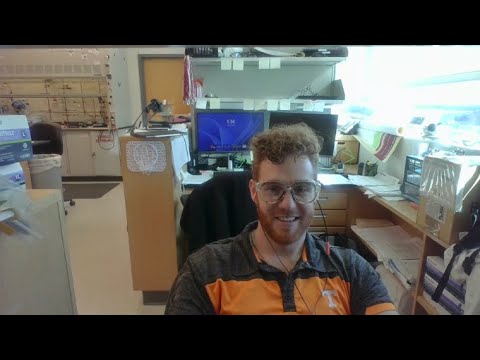
- Photo: Concentrating on Chromatography: Antibiotic Drug Discovery: UPLC Analysis and Challenges in Medicinal Chemistry
- Video: Concentrating on Chromatography: Antibiotic Drug Discovery: UPLC Analysis and Challenges in Medicinal Chemistry
🎤 Schyler Odum
In this insightful interview, Medicinal Chemist Schyler Odum discusses his work in antibiotic drug discovery and the critical role of Ultra-High Performance Liquid Chromatography (UPLC) in his research. Schyler, a fifth-year graduate student at UTHSC, shares his expertise on:
- The importance of antibiotic drug discovery in academic institutions
- How UPLC differs from HPLC and its benefits in chemical analysis
- Challenges in sample preparation and potential improvements
- The complexities of synthesizing large molecular weight antibiotics
- The need for increased support and funding in antibiotic research
Schyler also highlights the Gordon Research Conferences as a platform for presenting antibiotic drug discovery work. This video offers valuable insights for chemistry students, researchers, and anyone interested in the future of antibiotic development.
Video Transcription
Schyler Odum, a fifth-year graduate student in medicinal chemistry at UTSC, discussed his research in antibiotic discovery and his extensive hands-on experience with UPLC-MS instrumentation. With academic training in biology, biochemistry, organic chemistry, and a previous industry role at Frontier Specialty Chemicals, he now works on developing new drug candidates against Gram-positive bacterial infections and biofilms. Because large pharmaceutical companies rarely invest in antibiotic development due to low profitability, this crucial work largely depends on academic research groups like Dr. Richard Lee’s lab.
A major part of Odum’s workflow relies on the Waters Acquity UPLC system, which operates at ultra-high pressures to provide superior separation performance and requires only micro-scale sample quantities. As the person responsible for troubleshooting and maintaining the instrument, Odum emphasized how its sensitivity enables rapid analysis of complex synthetic intermediates. However, solvent compatibility issues between normal-phase chromatography fractions and the reverse-phase UPLC method create significant bottlenecks in sample preparation.
To avoid sample precipitation and instrument damage, every fraction must be evaporated to dryness and reconstituted in appropriate solvents. This process becomes increasingly laborious when processing dozens of samples, and the lab’s outdated nitrogen blowdown equipment makes the task even more time-consuming. Despite these challenges, UPLC-MS remains essential for characterizing the unusually large antibiotic molecules Odum synthesizes—some reaching molecular weights of 1500 amu—and for validating each step of his multi-stage synthetic pathways.
Odum also emphasized the urgent global need for renewed investment in antibiotic research. As resistance continues to rise, and last-resort drugs lose effectiveness, the lack of new antibiotics poses a growing threat to public health. He advocates for greater funding and awareness to ensure that critical discoveries continue to advance.
This text has been automatically transcribed from a video presentation using AI technology. It may contain inaccuracies and is not guaranteed to be 100% correct.
Concentrating on Chromatography Podcast
Dive into the frontiers of chromatography, mass spectrometry, and sample preparation with host David Oliva. Each episode features candid conversations with leading researchers, industry innovators, and passionate scientists who are shaping the future of analytical chemistry. From decoding PFAS detection challenges to exploring the latest in AI-assisted liquid chromatography, this show uncovers practical workflows, sustainability breakthroughs, and the real-world impact of separation science. Whether you’re a chromatographer, lab professional, or researcher you'll discover inspiring content!
You can find Concentrating on Chromatography Podcast in podcast apps:
and on YouTube channel