Extending the Lifetime of Size Exclusion Columns
- Photo: Phenomenex: Extending the Lifetime of Size Exclusion Columns
- Video: Phenomenex: How To Extend Your SEC Column Lifetime | Phenomenex
Size exclusion chromatography (SEC) columns are highly sensitive to operating conditions, including the composition of the mobile phase and the nature of analyzed samples. Improper handling and unsuitable method conditions can significantly reduce column lifetime. This guide summarizes common causes of column degradation and provides practical recommendations for extending column lifespan.
Common Causes of Reduced Column Lifetime
Several factors can negatively affect the performance and durability of SEC columns:
1. Contamination of the Stationary Phase
- Accumulation of impurities from samples or mobile phases
- Microbial growth due to infrequent replacement of mobile phase
2. Stationary Phase Degradation
- Caused by unsuitable pH conditions
- Exposure to inappropriate temperatures
- Use of harsh chemical agents
3. Improper Column Storage
- Incorrect storage conditions may reduce column performance over time
4. Column Inlet Blockage
- Particulates from insufficiently prepared samples can clog the column inlet
Preventive Measures and Best Practices
1. Preventing Contamination
- Use high-quality solvents
- Prepare buffer solutions daily
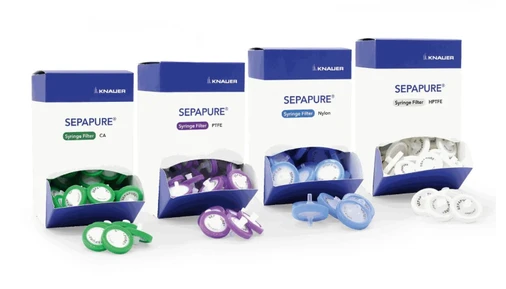
- Filter both mobile phases and samples before use
- Perform regular column cleaning
Important note: Not all SEC columns can be reverse flushed. For example:
- Biozen dSEC-2 and Yarra SEC-X7 columns must not be backflushed
2. Protecting the Stationary Phase
- Operate within recommended pH and temperature limits
- When using strong denaturants (e.g., urea or SDS):
- Perform immediate and thorough water flushing after use
3. Proper Column Storage
Before storage always clean the column thoroughly
- Two storage options:
- Buffer with bacteriostatic agent (e.g., sodium azide)
- No buffer: water with 20% methanol
When introducing methanol:
- Use low flow rates
- Prevent pressure spikes that could damage the column
When restarting the column:
- Consider that the column contains 20% methanol
- Adjust flow conditions accordingly
4. Preventing Column Inlet Clogging
Use protective components:
- Guard column
- Precolumn
These act as barriers to prevent contamination of the analytical column.
Types of Protection:
- Security guard cartridges
- Minimal added length
- Short precolumns
- Same stationary phase as analytical column
Key Advantage:
- Essential for columns that cannot be backflushed
- Protects against:
- Poorly centrifuged samples
- Particulate contamination
- Dirty sample matrices
Conclusion
Extending the lifetime of SEC columns requires careful attention to:
- Sample preparation
- Mobile phase quality
- Operating conditions
- Storage procedures
- Use of protective accessories
Implementing these practices helps prevent contamination, degradation, and mechanical damage, ensuring consistent column performance and longer service life.