PFAS, Mycotoxins & Food Safety Testing with SCIEX's Holly Lee
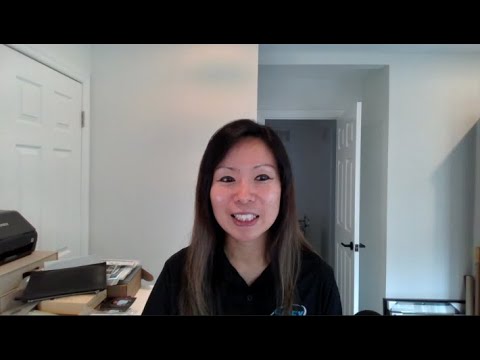
- Photo: Concentrating on Chromatography: PFAS, Mycotoxins & Food Safety Testing with SCIEX's Holly Lee
- Video: Concentrating on Chromatography: PFAS, Mycotoxins & Food Safety Testing with SCIEX's Holly Lee
Join us for an in-depth conversation with Holly Lee, Global Technical Marketing Specialist at SCIEX, as we explore the cutting edge of food and environmental safety testing. Holly shares her expertise on analyzing ultra-short chain PFAS like TFA, masked mycotoxins, pesticide residues, and the latest LC-MS/MS workflows transforming laboratory efficiency.
🎤 Holly Lee is a Global Technical Marketing Specialist for Food Applications at SCIEX with a PhD from the University of Toronto studying PFAS environmental processes. She has hands-on experience in analytical method development, LC-MS/MS analysis, and worked at the Ontario Ministry of the Environment before joining SCIEX.
In this episode of Concentrating on Chromatography, we discuss:
PFAS Analysis & Challenges
- Why ultra-short chain PFAS compounds like trifluoroacetic acid (TFA) are among the toughest analytes to detect
- Background contamination issues and how labs can minimize them
- Column selection strategies and method development for comprehensive PFAS panels
- Combining different stationary phase chemistries to broaden selectivity
Mycotoxin Detection
- What are masked mycotoxins and why they evade conventional detection
- Climate-driven changes in mycotoxin co-occurrence patterns
- Achieving ultra-trace sensitivity for regulated limits in food matrices
- EU regulations vs. global standards for mycotoxin testing
Food Residue Testing Innovations
- Multi-residue pesticide methods covering 100+ compounds
- Overcoming challenges with complex food matrices like tea, juice, and extracts
- Veterinary drug residue analysis and validation strategies
- The role of high-resolution mass spectrometry (HRMS) in resolving matrix interferences
Laboratory Workflow Optimization
- Sample preparation strategies: when to use direct injection vs. SPE cleanup
- Automation, AI, and machine learning for peak integration and data processing
- Green chemistry practices and sustainability in food testing
- Getting the most from your LC-MS/MS software features
Holly's Background & Insights
- Journey from studying PFAS fate at University of Toronto to food safety applications
- Experience spanning Ontario Ministry of Environment, SCIEX R&D, and global technical marketing
- Emerging contaminants on the horizon, including microplastics analysis with LC-MS/MS
- Partnership between SCIEX and Phenomenex for advancing chromatography solutions
Resources Mentioned:
- NIST PFAS Interference List (PIL) database
- Phenomenex Luna Omega PSC18 column for ultra-short chain PFAS
- SCIEX 7500 and 7600 ZenoTOF systems
- Science of the Total Environment journal article on microplastics
Whether you're a food safety analyst, environmental chemist, or chromatography enthusiast, this conversation offers practical insights into method development, troubleshooting, and the future of analytical testing.
Concentrating on Chromatography Podcast
Dive into the frontiers of chromatography, mass spectrometry, and sample preparation with host David Oliva. Each episode features candid conversations with leading researchers, industry innovators, and passionate scientists who are shaping the future of analytical chemistry. From decoding PFAS detection challenges to exploring the latest in AI-assisted liquid chromatography, this show uncovers practical workflows, sustainability breakthroughs, and the real-world impact of separation science. Whether you’re a chromatographer, lab professional, or researcher you'll discover inspiring content!
You can find Concentrating on Chromatography Podcast in podcast apps:
and on YouTube channel