Crimp vs. Screw Caps: Which is Better for Chromatography?
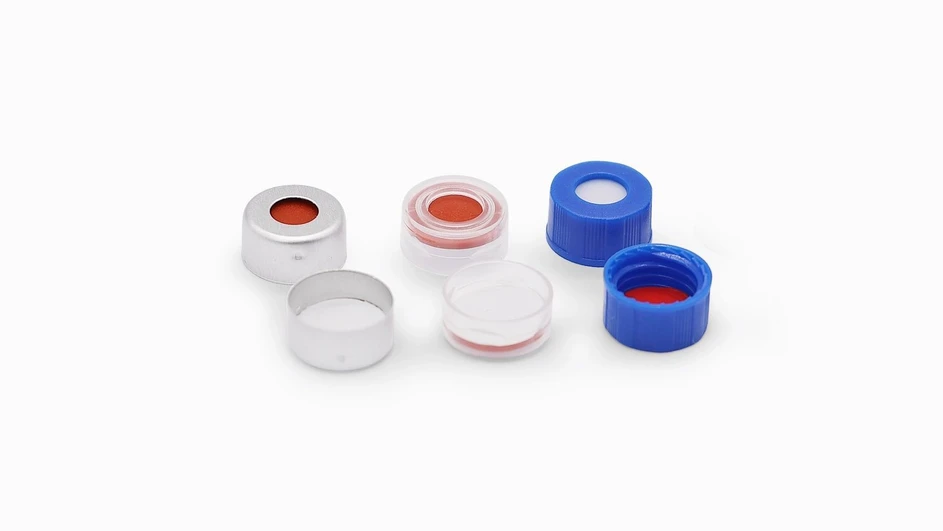
KNAUER: Crimp vs. Screw Caps: Which is Better for Chromatography?
In HPLC and other chromatographic techniques, the quality of your analytical results depends heavily on the condition of the sample before it ever reaches the instrument. While vial caps may appear to be a small accessory, they play a critical role in maintaining sample integrity, preventing contamination, and minimizing evaporation.
Whether you use crimp, screw, or snap caps, each closure type offers distinct advantages and limitations. Selecting the right option can improve sample protection, simplify laboratory operations, and help ensure consistent analytical performance. Let's take a closer look at the characteristics of each cap style and explore when each one is most appropriate.
Sealing Performance: Protecting Your Sample
The primary purpose of any vial cap is to create a reliable seal. However, different cap designs achieve this in different ways, resulting in varying levels of protection against evaporation, contamination, and sample degradation.
Crimp Caps
Crimp caps provide the highest level of sealing performance. A metal cap is mechanically crimped around the vial neck, creating a secure and highly airtight closure. This design minimizes sample loss and offers excellent protection during long-term storage.
- Ideal applications: When volatile compounds must be preserved, or when even minor contamination and evaporation cannot be tolerated, such as headspace analysis and highly sensitive analytical methods.
Screw Caps
Screw caps are widely used because they combine practicality with dependable sealing. Their threaded design allows them to be tightened easily while still providing sufficient protection for the majority of HPLC applications.
One of their biggest advantages is the ability to open and reseal the vial multiple times without requiring additional equipment.
- Ideal applications: Routine laboratory analyses, methods requiring repeated sample access, and workflows where convenience is important.
Snap Caps
Snap caps emphasize speed and ease of use. They are pressed onto the vial until they lock into position with a simple click.
Although they do not provide the same degree of airtight sealing as crimp or screw caps, they offer a fast and straightforward solution for many applications.
- Ideal applications: Short-term sample storage, stable analytes, and high-throughput environments where rapid handling is a priority.
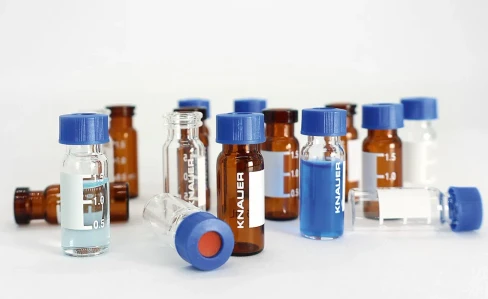
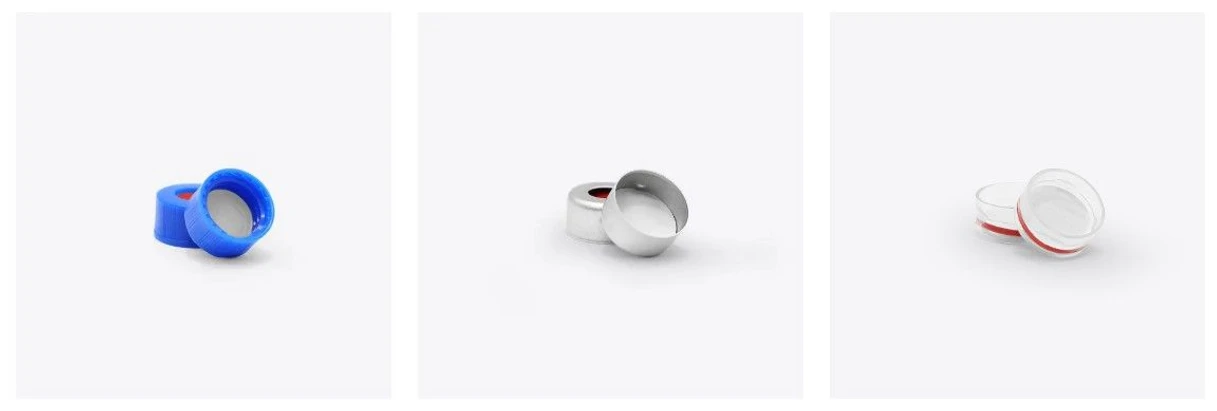 KNAUER: Crimp and Screw Caps
Ease of Use: Supporting Laboratory Efficiency
In busy analytical laboratories, workflow efficiency matters. The choice of vial closure can significantly affect the amount of time spent preparing samples.
Crimp Caps
- Advantages: Crimp caps deliver highly reproducible sealing when applied correctly. Automated crimping devices can further improve consistency while reducing operator-to-operator variability.
- Limitations: A crimping tool is required for installation. Manual crimping can be labor-intensive and may produce inconsistent results if the technique is not properly controlled. In addition, removing a crimp cap typically damages it, requiring replacement before the vial can be resealed.
Screw Caps
- Advantages: Screw caps are exceptionally user-friendly. They can be installed and removed without any specialized tools, making them convenient for workflows involving repeated sample access.
- Limitations: Seal quality depends on proper tightening. Excessive torque can damage the cap or septum, while insufficient tightening may compromise the seal. Repeated opening and closing can also gradually wear the cap components.
Snap Caps
- Advantages: Snap caps offer the fastest sealing process. Simply pressing the cap into position is sufficient, making them attractive for laboratories processing large numbers of samples.
- Limitations: Their convenience comes at the expense of sealing performance. They provide less protection against contamination and solvent loss, particularly when handling volatile compounds.
Instrument Compatibility: Matching Caps to Your Workflow
Selecting a vial cap is not only about sealing efficiency. Compatibility with vials, autosamplers, and laboratory procedures is equally important.
Crimp Caps
- Compatibility: Crimp caps are designed specifically for crimp-top vials and are commonly used in automated analytical systems. They work particularly well with glass vials and provide highly reliable sealing performance.
- Limitations: The need for a crimping device introduces an additional workflow step. Furthermore, improper crimping—whether too loose or too tight—can result in inconsistent sealing and potential sample integrity issues.
Screw Caps
- Compatibility: Screw caps are among the most versatile closure options available. They are compatible with many autosamplers and can be used with both glass and plastic vials.
- Limitations: Although suitable for most routine analyses, they may not provide the level of sealing required for extremely volatile compounds or demanding headspace applications.
Snap Caps
- Compatibility: Snap caps are intended for use with snap-ring vials. Many autosamplers that accommodate crimp or screw-top vials can also accept snap-ring formats, offering flexibility in certain laboratory environments.
- Limitations: Their relatively loose seal makes them less suitable for long-term storage or volatile analytes. Before implementation, laboratories should verify autosampler compatibility with snap-ring vial formats.
How to Choose the Right Cap Type
The best closure depends on the specific requirements of your application.
Choose Crimp Caps When:
- Your samples contain highly volatile compounds.
- Long-term storage is required.
- Maximum sealing performance is essential.
- You are performing headspace GC or highly sensitive LC-MS/MS analyses.
Choose Screw Caps When:
- Samples need to be accessed repeatedly.
- Convenience and flexibility are important.
- Compatibility across multiple instruments and workflows is required.
- Standard HPLC applications are being performed.
Choose Snap Caps When:
- Samples are relatively stable and non-volatile.
- Fast sample preparation is critical.
- High-throughput operations demand rapid vial handling.
- Short-term storage is sufficient.
Final Thoughts
Although vial caps are often overlooked, they can have a significant impact on both sample quality and laboratory productivity.
To summarize:
- Crimp Caps: Provide the most secure and airtight seal, making them ideal for volatile compounds, sensitive analyses, and long-term storage.
- Screw Caps: Offer an excellent balance between sealing performance and convenience, making them the preferred choice for many routine chromatographic applications.
- Snap Caps: Deliver maximum speed and simplicity, making them well suited for stable samples and fast-paced laboratory workflows.
By understanding the strengths and limitations of each cap type, laboratories can select the most appropriate closure for their analytical requirements, ensuring sample integrity while maintaining an efficient workflow.
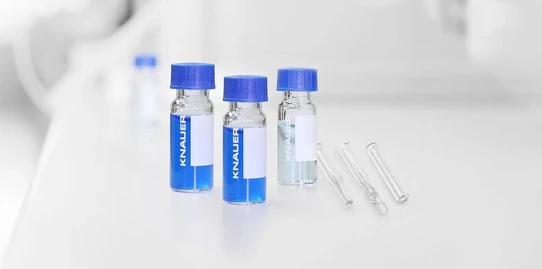
If you want to protect your samples and improve your HPLC’s performance, check out our brand-new KNAUER originals HPLC Vials